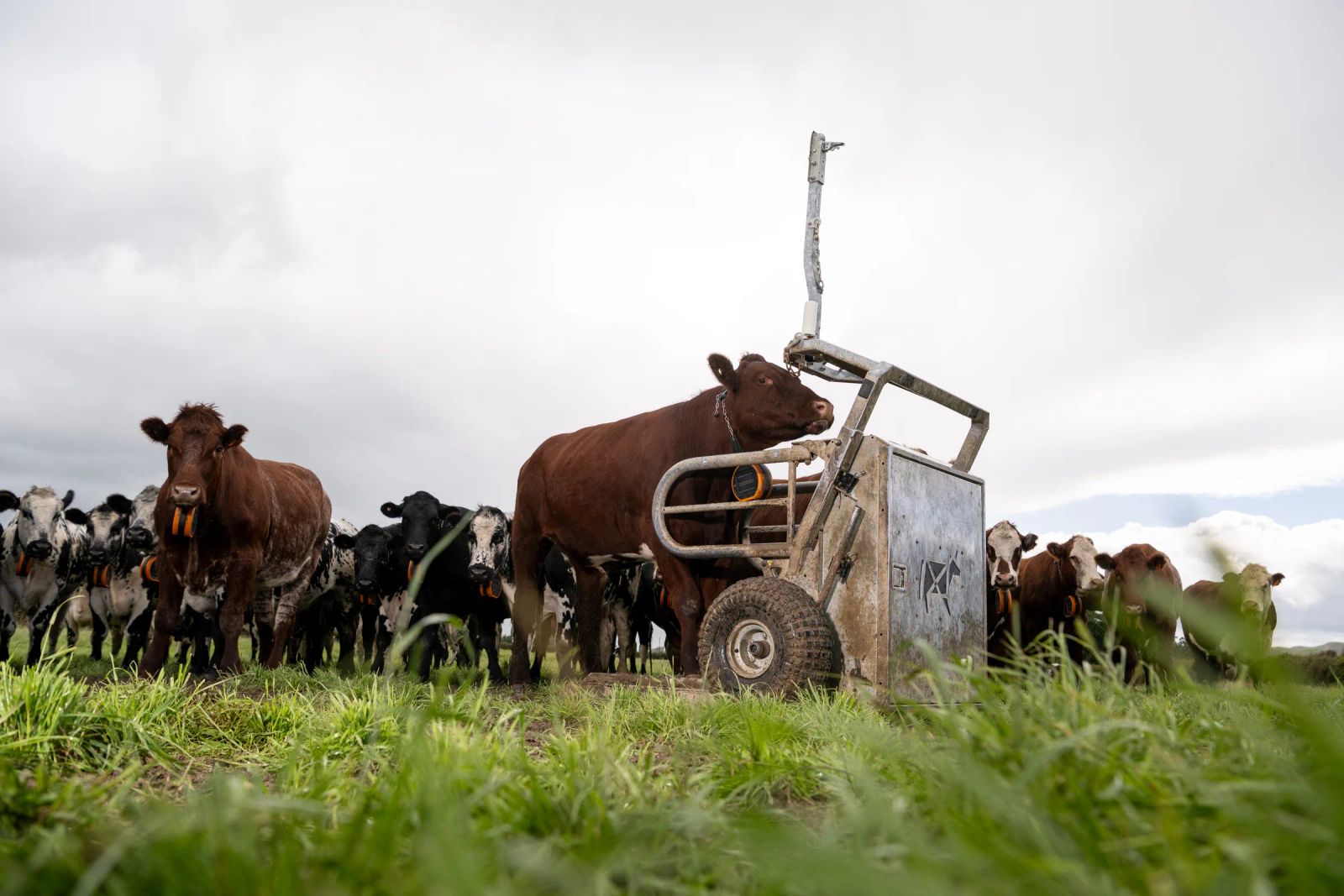
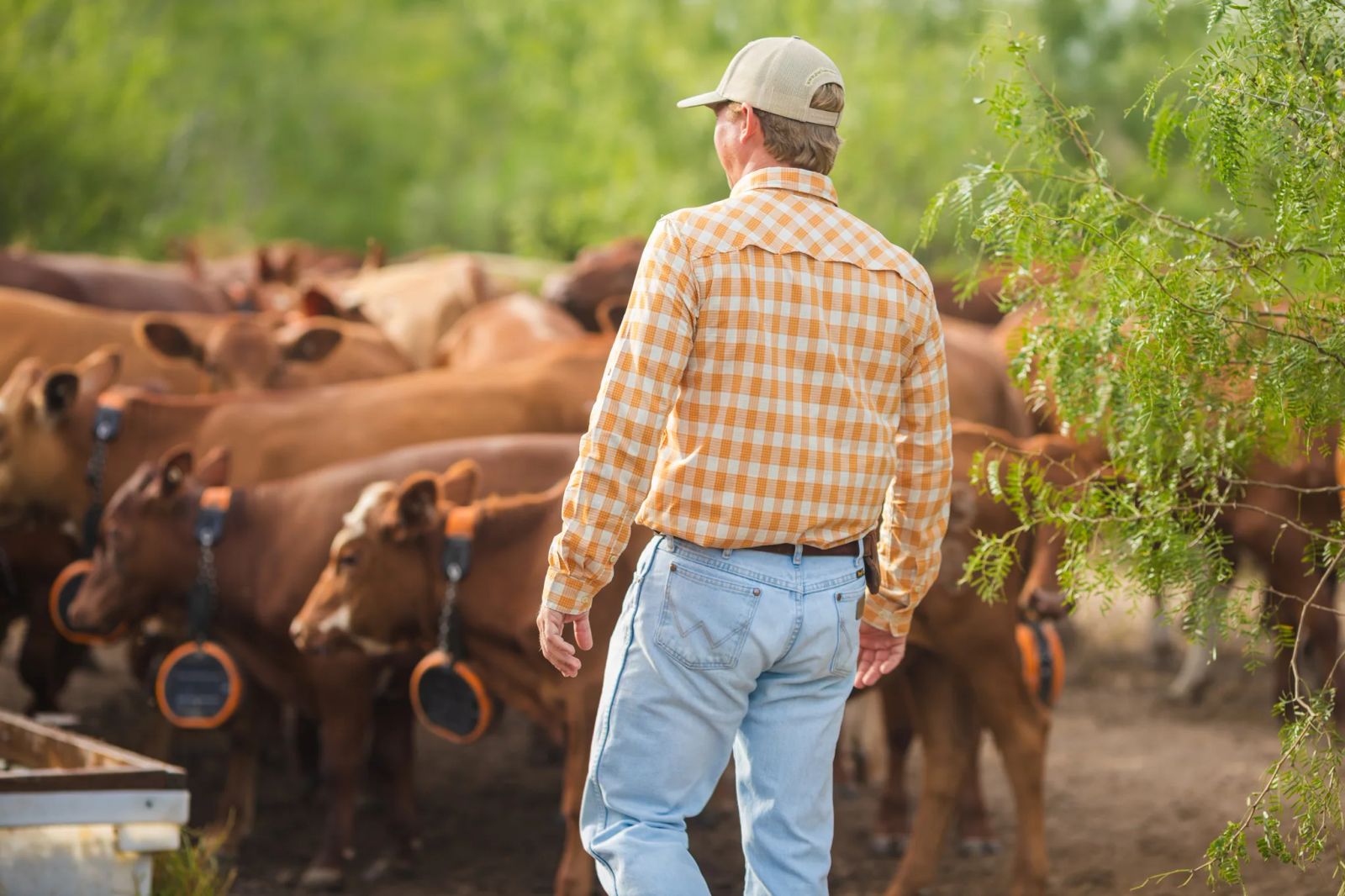
“I’ve always had rotational grazing in the back of my mind. But the practicality of cross fencing creek pastures just wasn’t there. When eShepherd came out, I thought, this is the answer.”
OutcomeSolving challenges that traditional fencing can't especially in creek bottom pastures prone to flooding, erosion, and continuous maintenance.
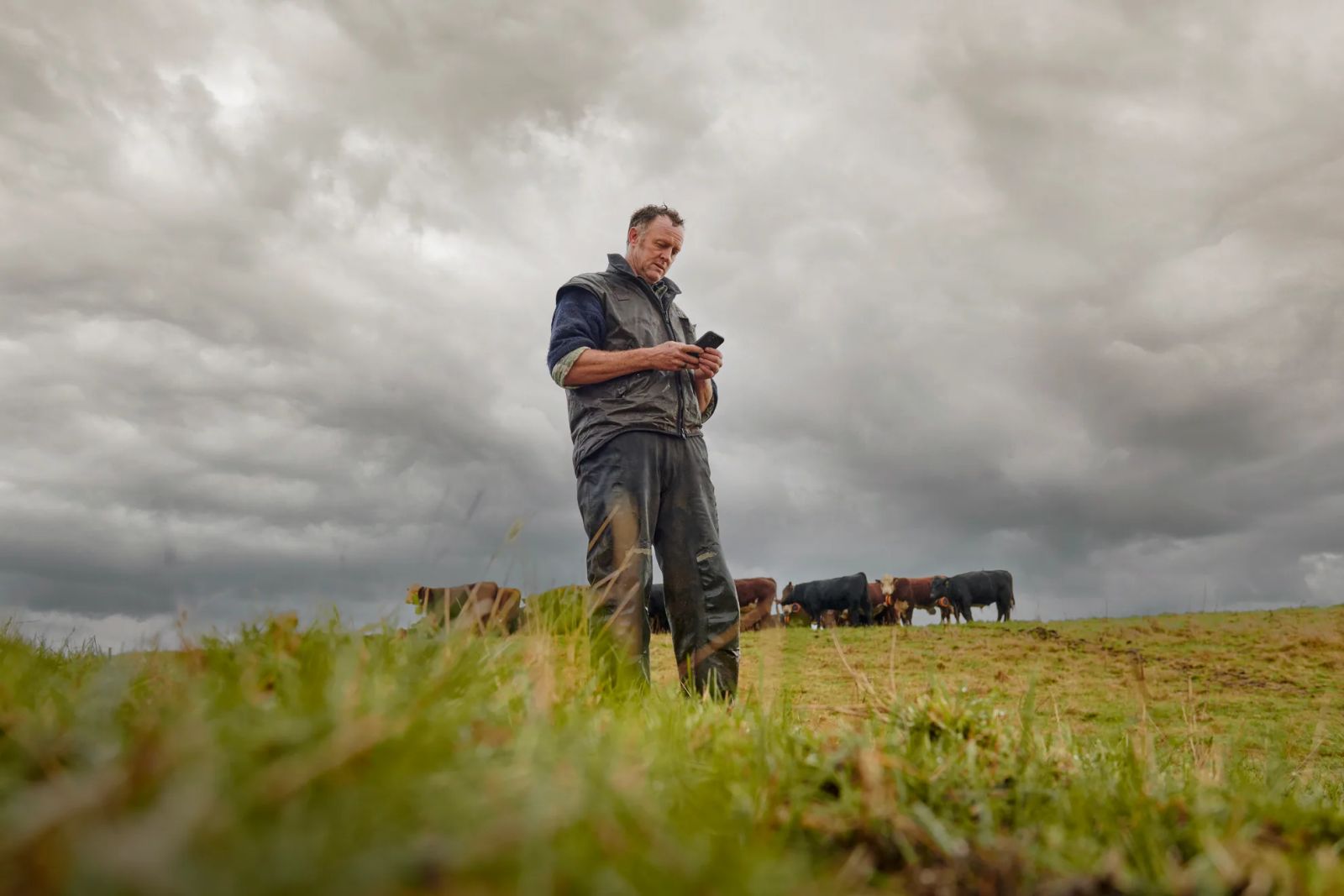
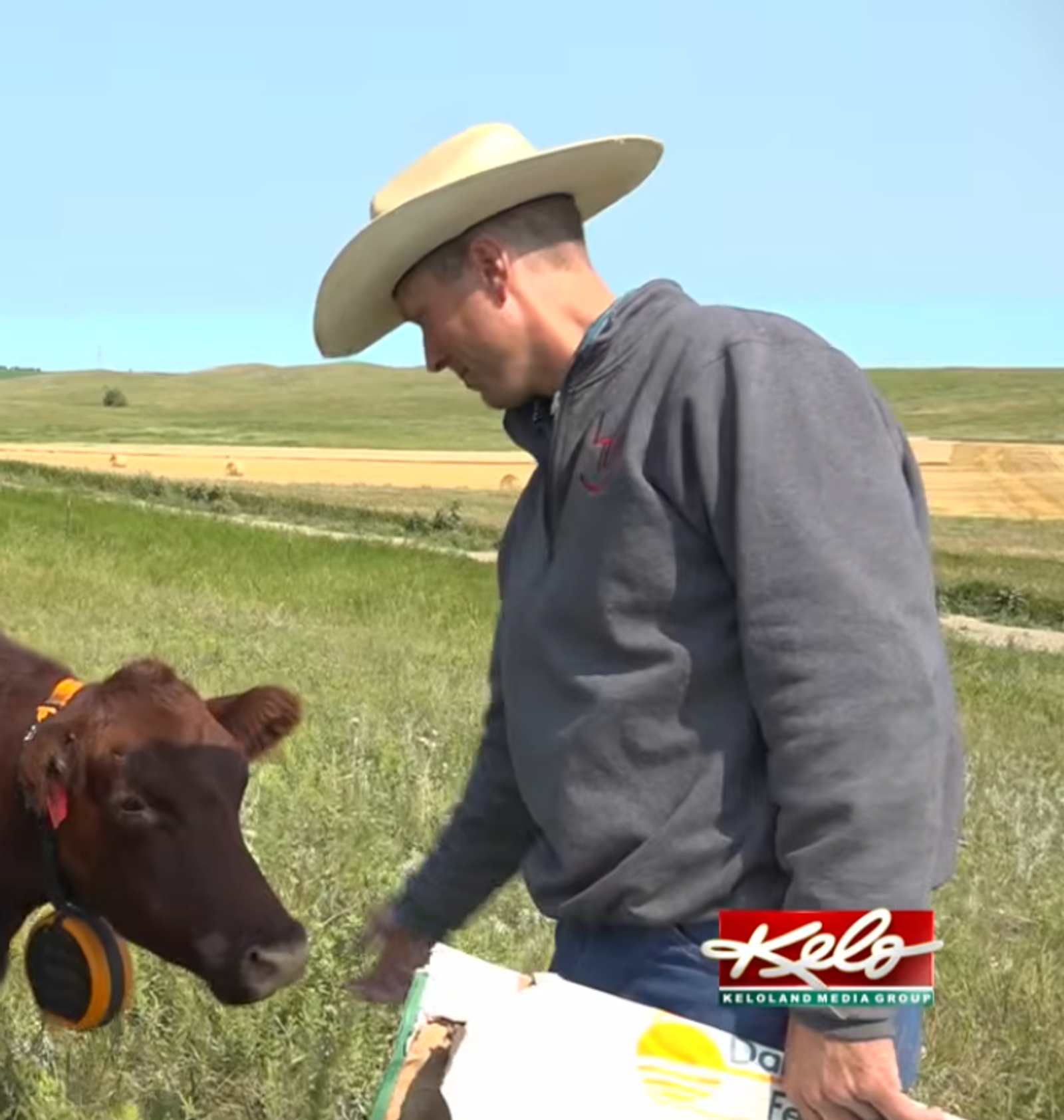
“The technology is beyond the wildest dreams, certainly of my parents and even for me. And for it to be available to someone like me with a fairly small operation, I feel very grateful.”
OutcomeMore grass in front of the cattle, fewer fences to move. A simpler way to manage a one-man (and one dog) operation.
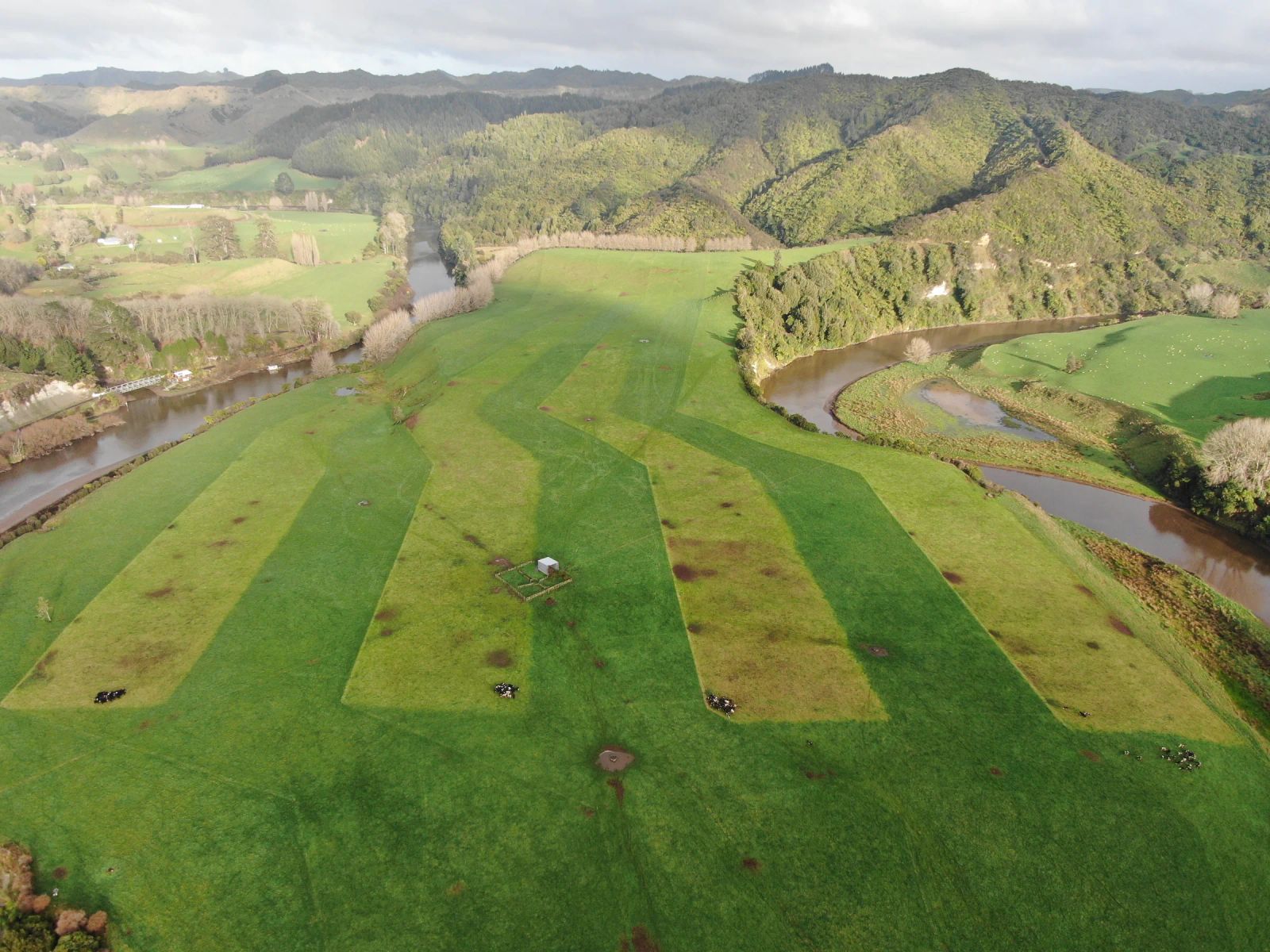
“We managed our entire grazing operation remotely from the Gold Coast, shifting virtual fences and making feed decisions daily based on live weight data.”
Outcome14 tonnes of feed grown, utilisation lifted from 78% toward 95%. A drop from 1.5 kg/day to 0.2 kg/day caught in days, not weeks.
“We're protecting the catchment without putting a single post in the ground.”
OutcomeCattle held off riparian zones during regrowth. Underutilised pasture brought back into rotation. Project funded by the Great Barrier Reef Foundation.
“One thing we were really lacking was fencing infrastructure. This technology allows us to get our animals to graze where we want them to graze and keep them out of areas that we may not want them to be in. There's a lot of flexibility.”
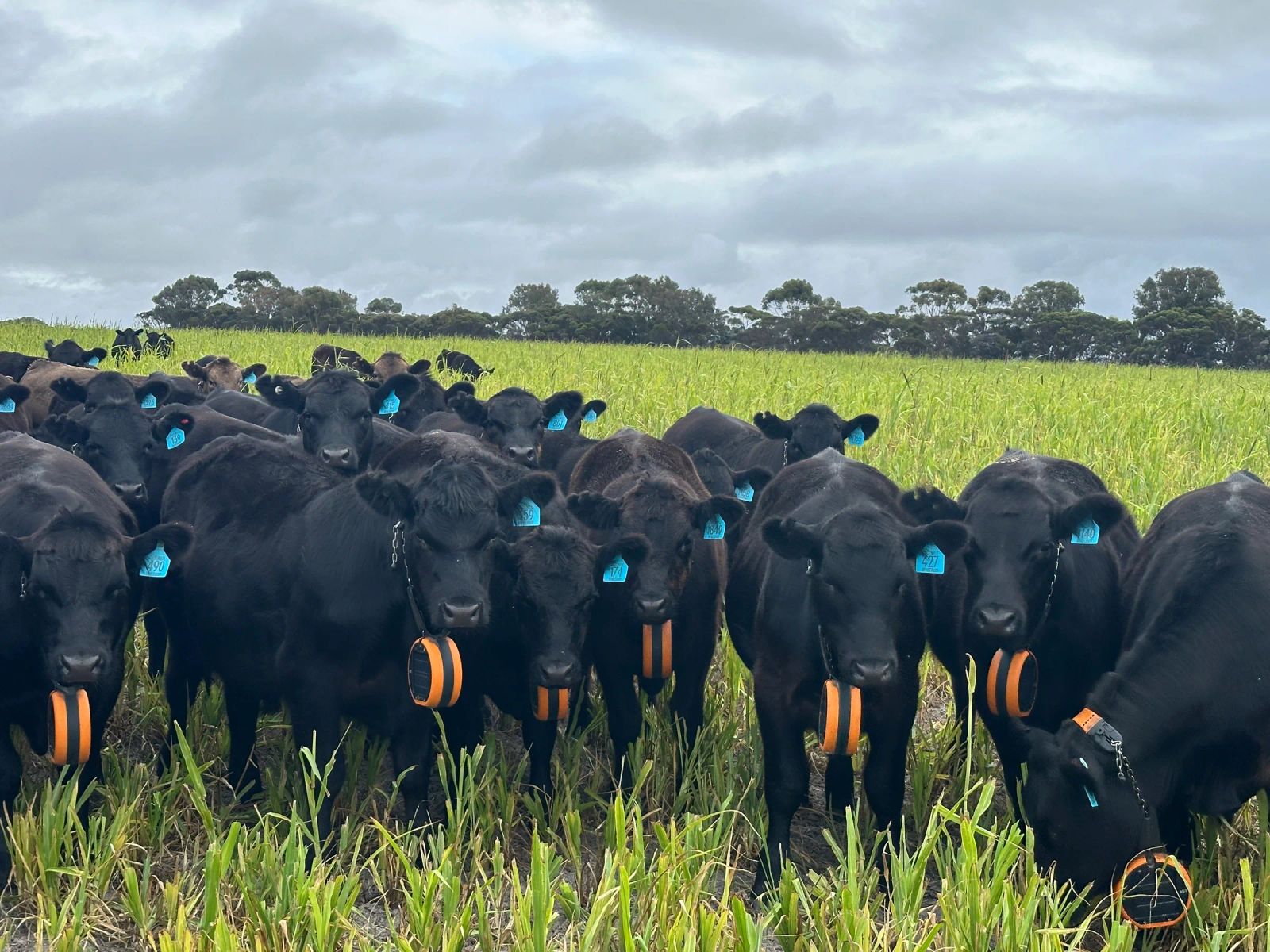
“We've only been using eShepherd since January, but it has been a game changer for us.”
OutcomeRotational cells inside 150-ha cropping paddocks. Virtual confinement pens built without a single post. Welfare alerts that catch trouble the same hour it happens.
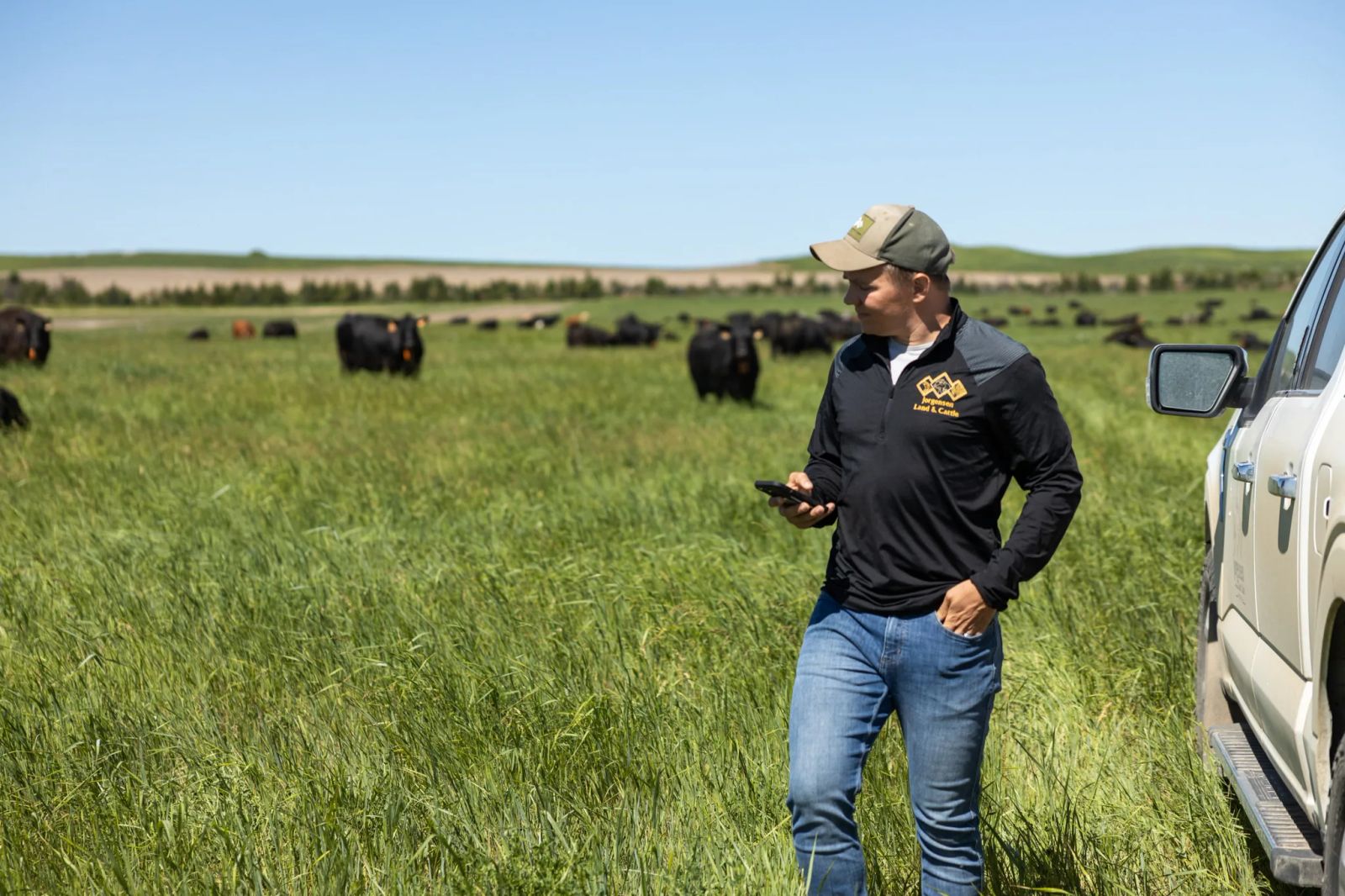
“Labor is one of the biggest costs on any outfit, and the fact that we've been able to reduce that expense by being more efficient when we gather and move cattle has been a game changer for us.”
OutcomeCut multi-day cattle gathers down to six hours, kept cattle off the highway entirely, and opened up land that had gone unused for generations
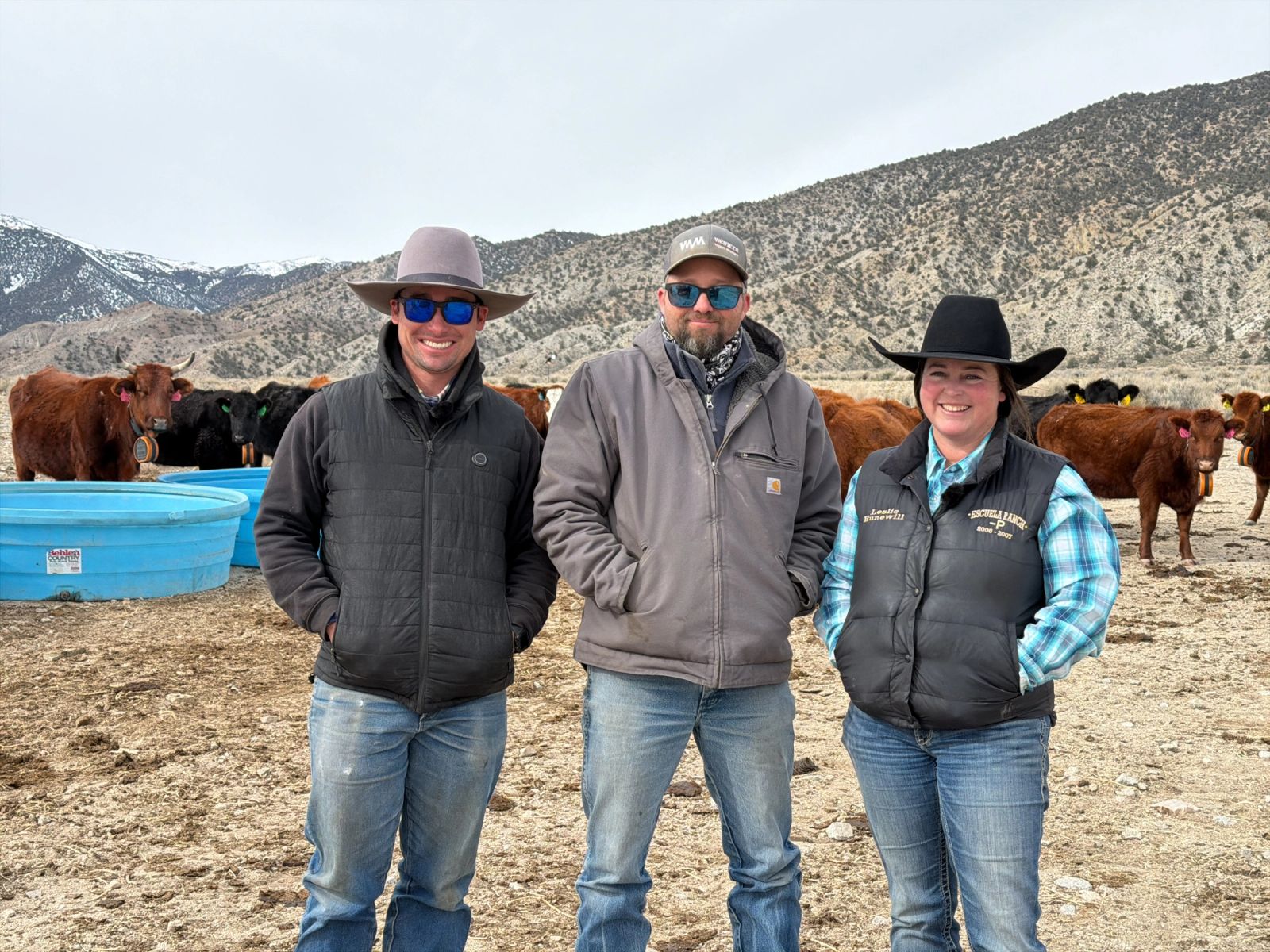
“In some of our rougher topography and high-water and low-water areas, we looked into virtual fencing as a way to enhance and capitalize on more grazing opportunities in those areas without the need for physical fence.”
Outcome increased harvest efficiency to 35-40% utilization