01 / 08
For the animal
Minimally invasive training
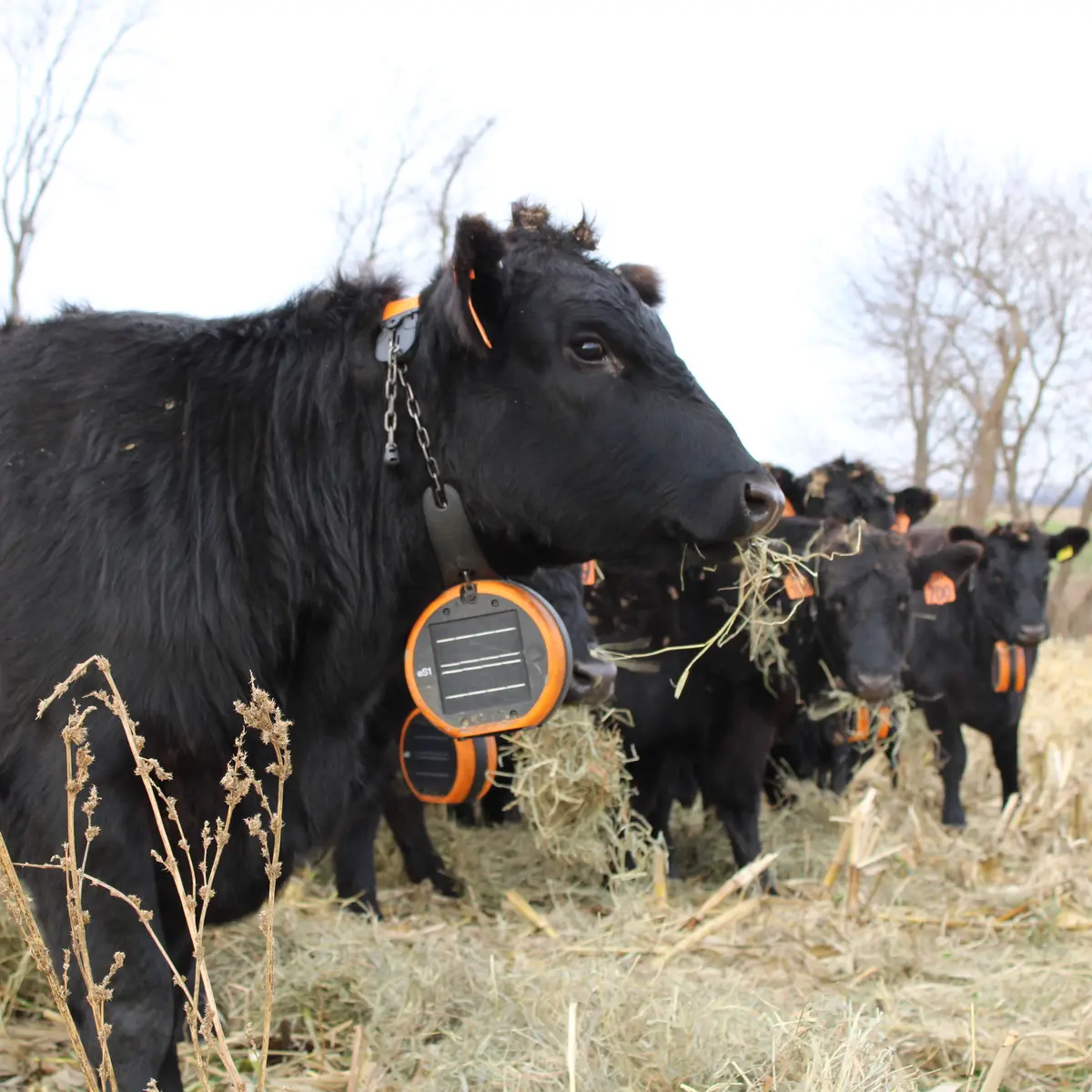
Animals learn to respond to sound, not pain. A mild pulse is delivered only if several audio cues are ignored. Most cattle adapt within two to seven interactions.
Virtual Fencing · Animal Welfare
eShepherd replaces wire and posts with a learned, audio-first cue. Developed with CSIRO. Reviewed by an Animal Ethics Committee. CE and FCC certified. Built for a calmer day for cattle and the people who keep them.
Built on four principles
Virtual fencing for cattle is a way to keep animals inside a boundary you draw on a map, using a sound cue and a mild pulse from a solar-powered GPS neckband instead of wire and posts. eShepherd is Gallagher's virtual fencing system for cattle, built on the animal-management engineering Gallagher has made since 1938. These four principles keep welfare at the centre of how it works.
Last reviewed
The training loop
As an animal nears the boundary, the neckband plays an audio cue. Most cattle turn back before the cue ever finishes. A mild pulse follows only if the audio is ignored, and most animals stop needing it after a handful of interactions.
How eShepherd supports welfare
Animals learn to respond to sound, not pain. A mild pulse is delivered only if several audio cues are ignored. Most cattle adapt within two to seven interactions.
Physical fences cause injuries through entanglement and escape attempts. A virtual boundary removes the wire, and removes the wound.
No daily mustering, no fence-walking. That's hours back in the week, and fewer human-animal interactions mean calmer cattle and less cortisol in the herd.
Each solar-powered neckband tracks movement continuously. Unusual inactivity triggers an alert, surfacing health issues earlier than a daily walk-through ever could.
Adaptive and rotational grazing become trivial. Cattle move to fresh pasture more often, improving nutrition and reducing parasite load.
Light relative to body weight, ergonomic, and weather-resistant. Built to be worn for the seven-to-ten-year life of the device without rubbing or chafing.
Exclude livestock from waterways, native bush, and erosion-prone gullies without putting up a single post. Protects ecosystems and keeps animals out of hazards.
Every protocol is reviewed by the eShepherd Animal Ethics Committee. Welfare observations adjust how the system is used in the field.
Science-driven, farm-tested
Virtual fencing, when implemented with paired audio and electrical cues, is associated with rapid learning and minimal sustained welfare impact in cattle.
eShepherd's commercial deployment by Gallagher builds on this foundation, translating decades of behavioural research into a system that is scientifically sound and practically viable on a working farm.
Ethical oversight
The development and deployment of eShepherd are overseen by an Animal Ethics Committee constituted under Gallagher's Animal Welfare policy. The Committee covers all testing and field use of the system, and is responsible for ensuring continued compliance with strict welfare standards.
eShepherd™ Animal Ethics Committee, Terms of Reference →Certified for safety
CE and FCC certification is your assurance that eShepherd is built for quality, safety, and radio compliance across Europe and North America. Independently verified, not self-declared.
Aligning welfare with farm performance
A more humane way to manage grazing, and it's already on the ground.