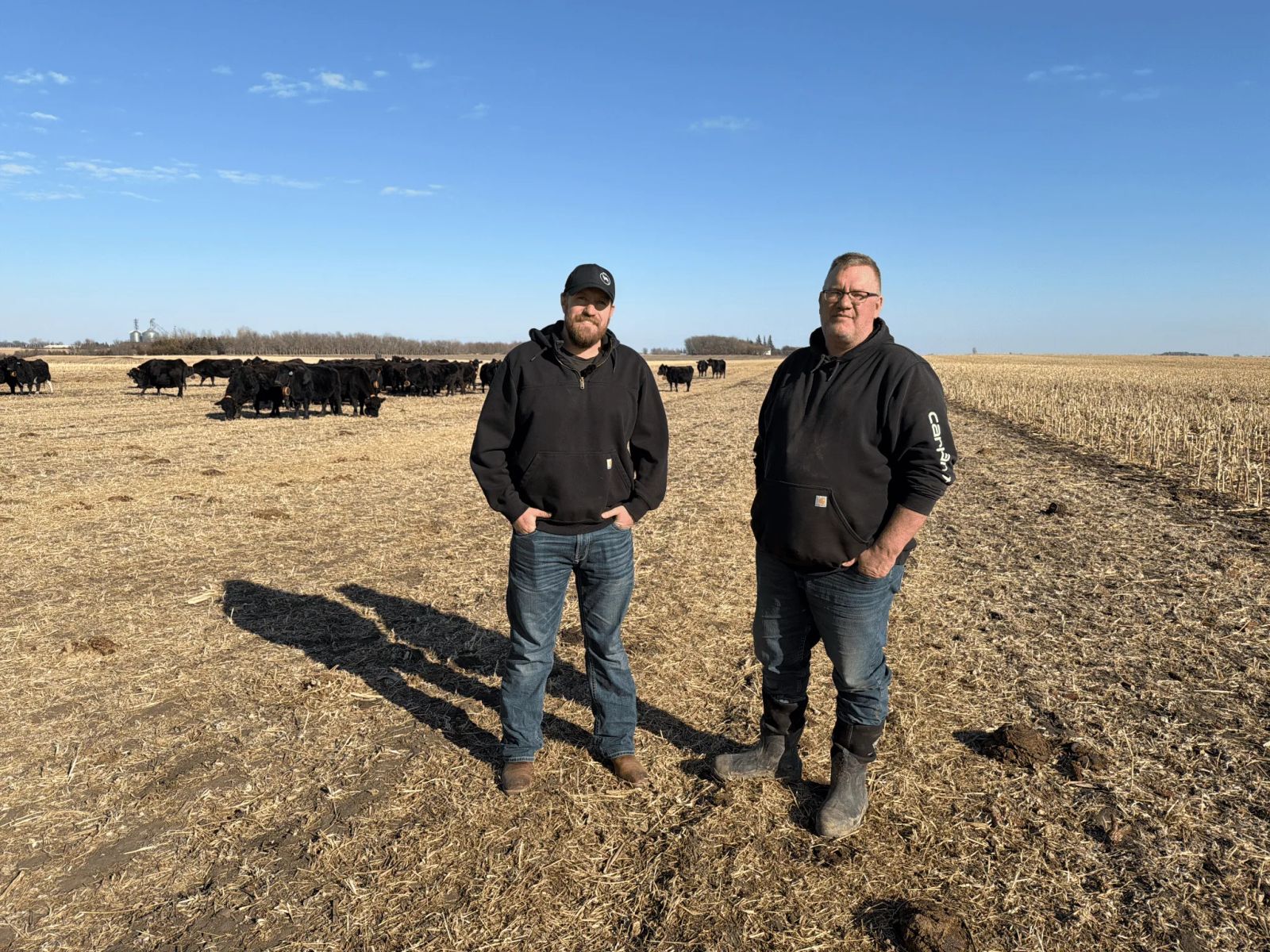
Precision Grazing with eShepherd in Minnesota's Creek Country
Listen to this story
“I’ve always had rotational grazing in the back of my mind. But the practicality of cross fencing creek pastures just wasn’t there. When eShepherd came out, I thought, this is the answer.”
Ryan & Mitch Gravenhof · Worthington, Minnesota
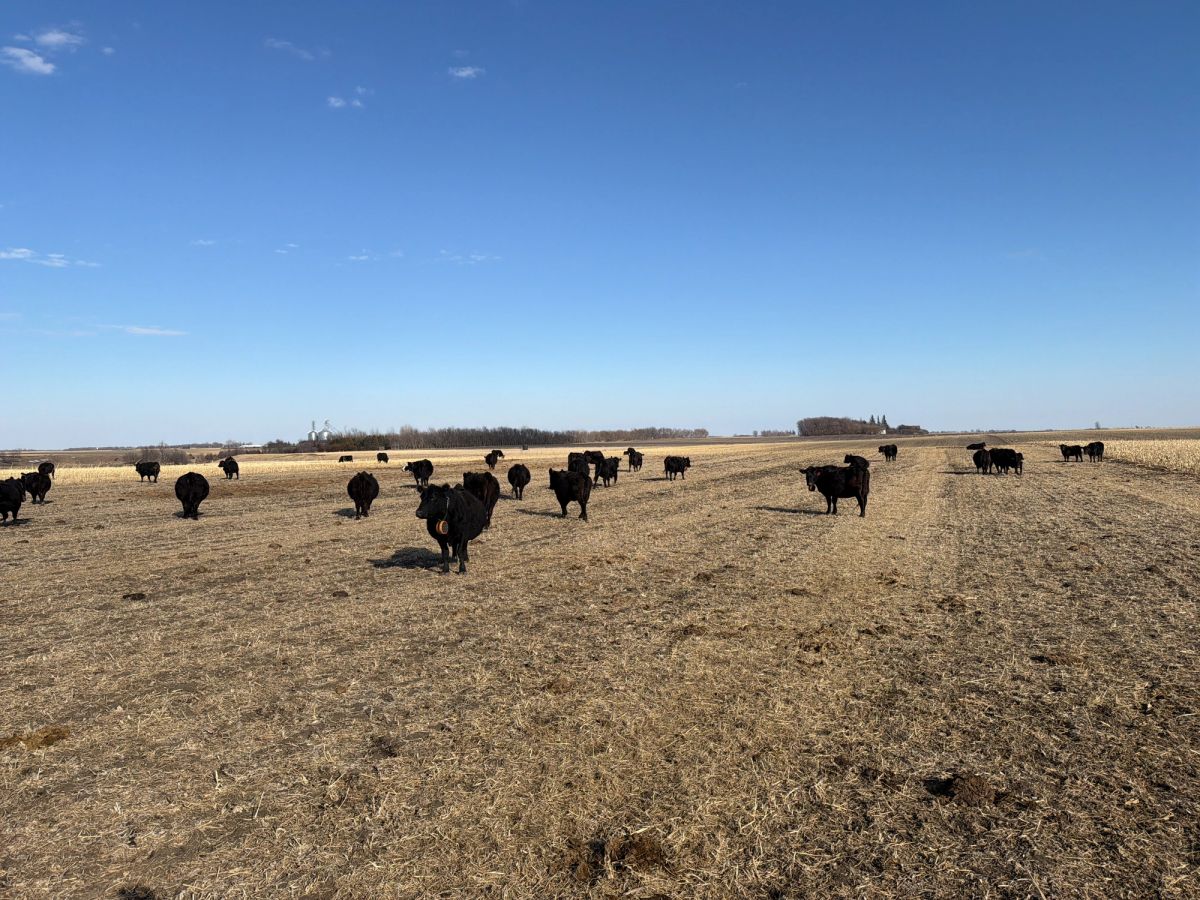
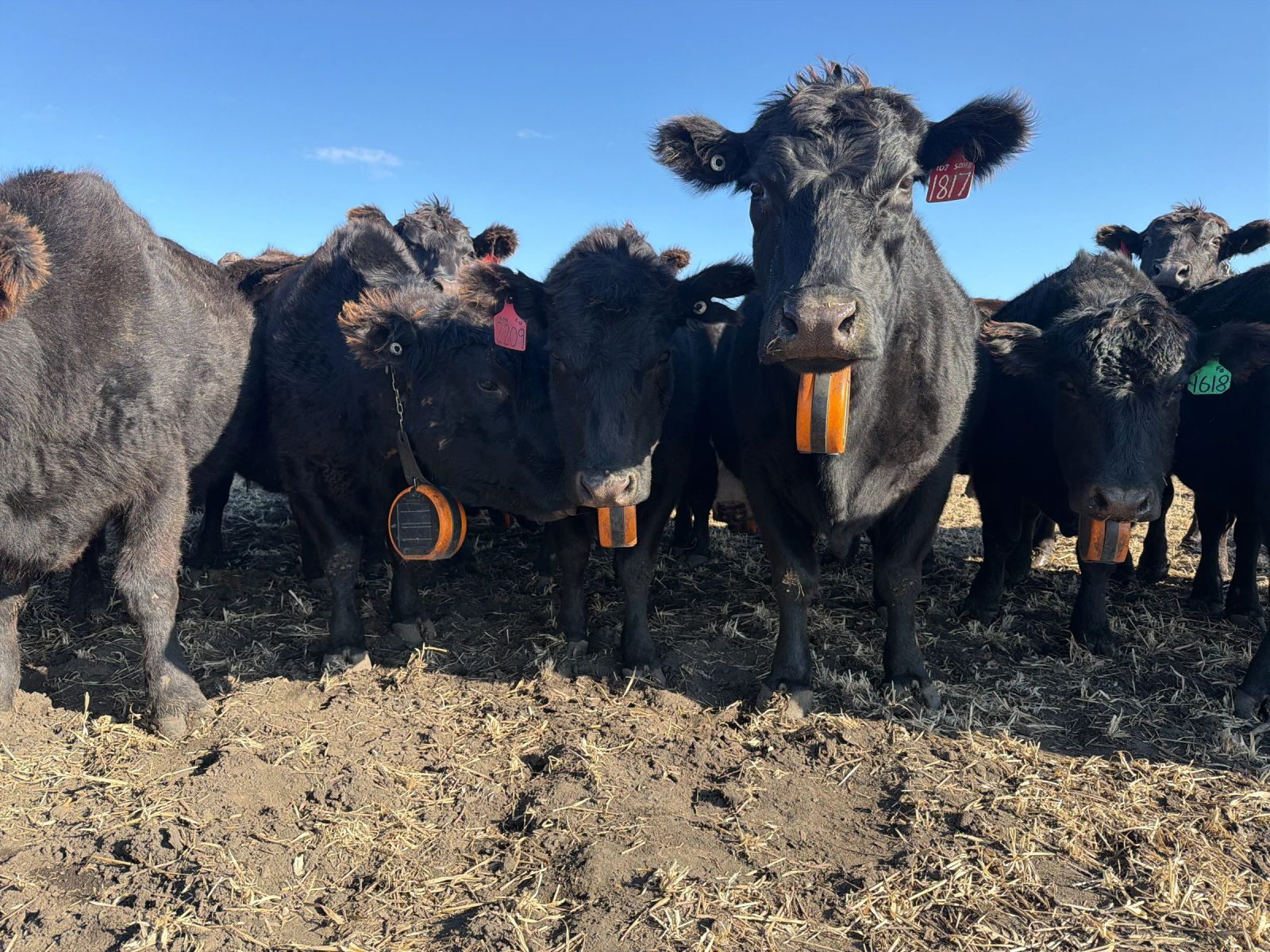
At Gravenhof Farms near Worthington, Minnesota, cattle have always been part of the family story. Now in its third and fourth generations, the operation includes cow calf production, cropping, and sheep — all managed with a strong eye toward stewardship, efficiency, and long term sustainability.
For Ryan and Mitch Gravenhof, adopting eShepherd virtual fencing wasn’t about replacing what already worked. It was about solving challenges that traditional fencing couldn’t — especially in creek bottom pastures prone to flooding, erosion, and continuous maintenance.
“I’ve always had rotational grazing in the back of my mind,” Ryan says. “But the practicality of cross fencing creek pastures just wasn’t there. When eShepherd came out, I thought, this is the answer.”
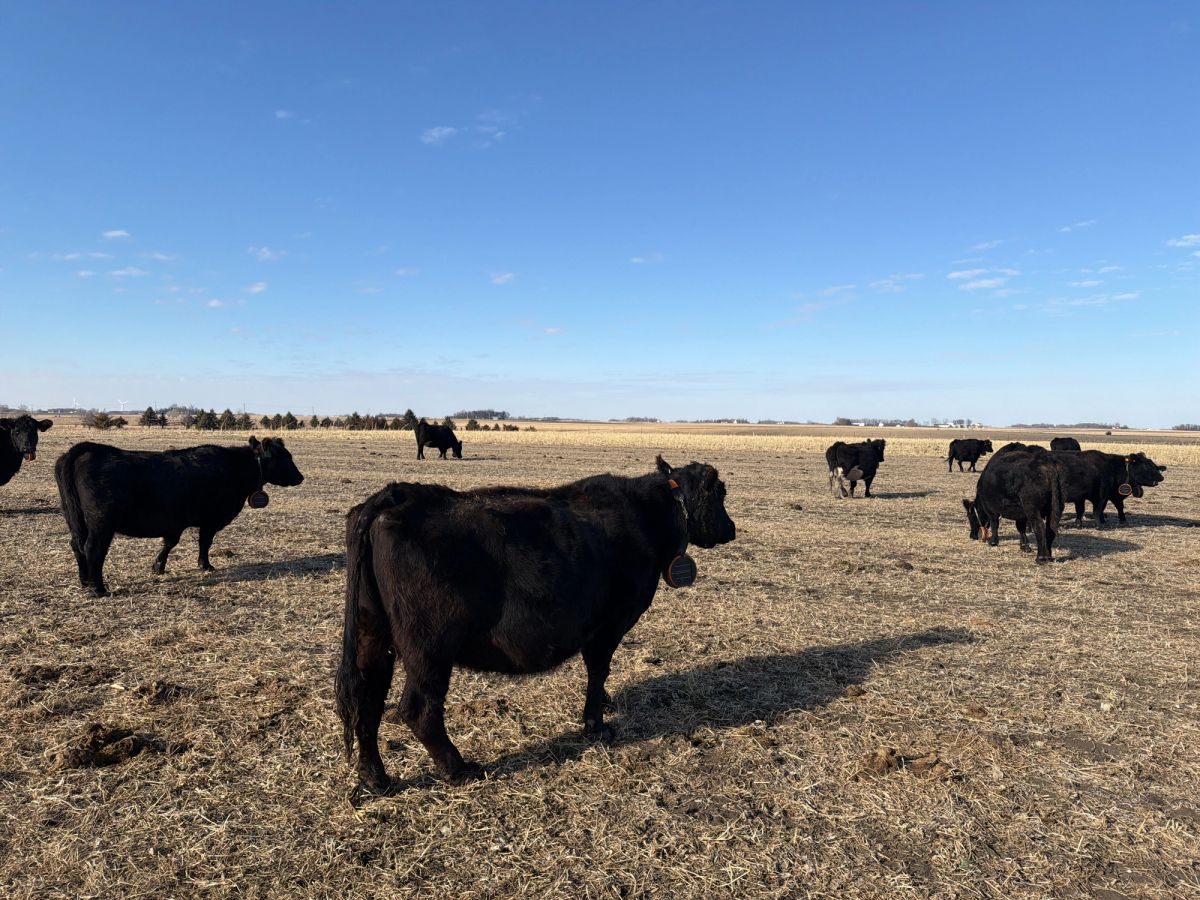
Managing Waterways Without Posts and Wire
Like many producers across the country, the Gravenhofs farm in areas where waterways shape both the landscape and grazing decisions. Frequent high water events make physical cross fencing difficult to maintain, and even short periods of overgrazing along creek banks can lead to erosion.
With eShepherd, the Gravenhofs draw precise virtual boundaries that keep cattle out of sensitive riparian areas while still allowing controlled access to designated watering points.
“I’ve been very impressed with how you can draw a line on the app — and how accurate that virtual line is to the actual boundary out in the field,” Ryan explains. “For my initial goals of fencing animals off creeks and riparian areas, it’s been perfect.”
That precision has allowed beneficial and native vegetation time to recover, reduced pressure along creek banks, and has opened the door to collaboration with conservation groups — without compromising the farm’s productivity.
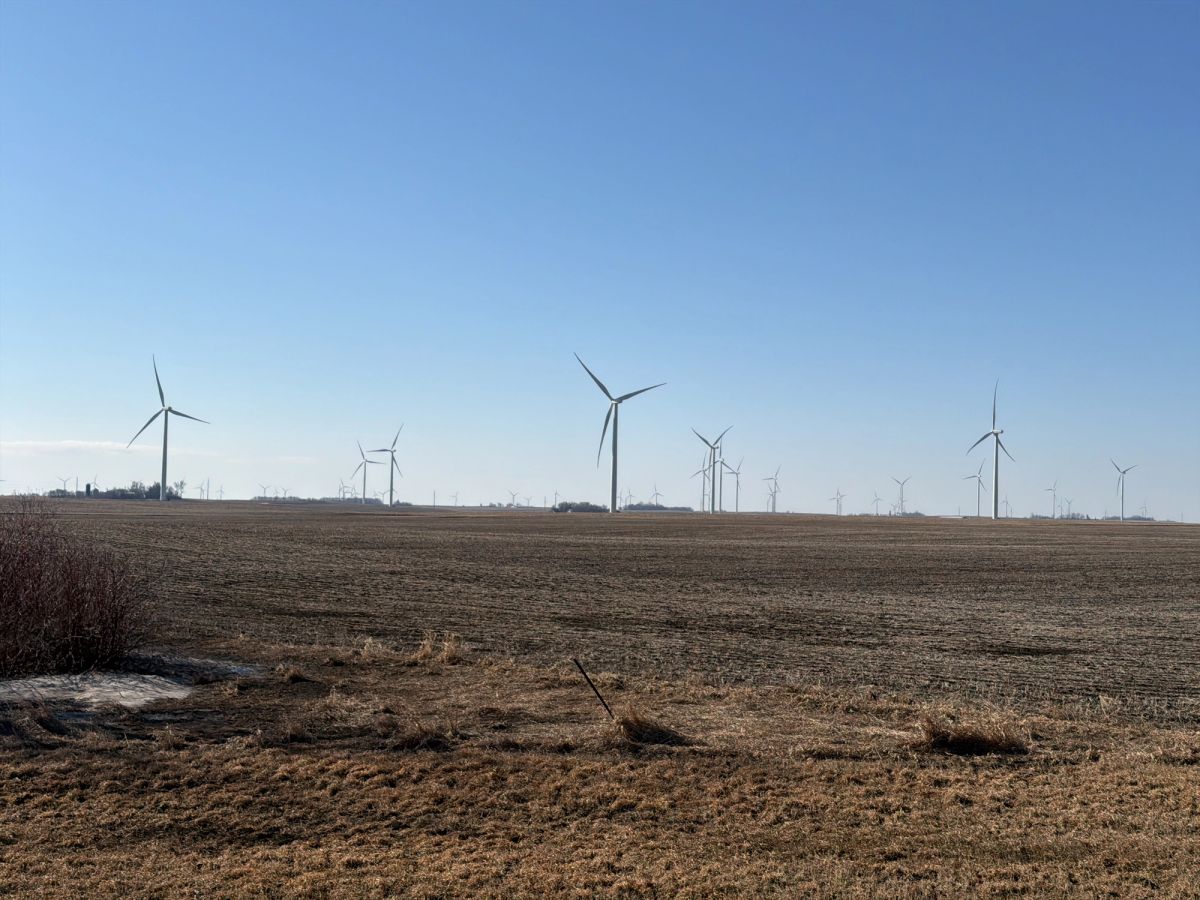
A Cellular System for Hard-to-reach Pastures
One of the deciding factors for the Gravenhofs was connectivity. Their cattle rotate between multiple pastures, crop residue, and cover crop fields, and reliable coverage across all those locations mattered.
“People just can’t believe you can do that with a cellular signal,” Ryan says. “But then you show them the map and say, this is the line. It’s amazing how accurate it is.”
Because eShepherd operates through the cellular network, the system works across their series of pastures without requiring base stations or added infrastructure — giving the Gravenhofs flexibility as they adapt grazing plans throughout the season.
Containment That Builds Confidence. Even at a Distance.
For Mitch, one of the biggest benefits has been peace of mind. Instead of worrying about broken wire or deer taking out a single strand fence, he can check cattle location at any time.
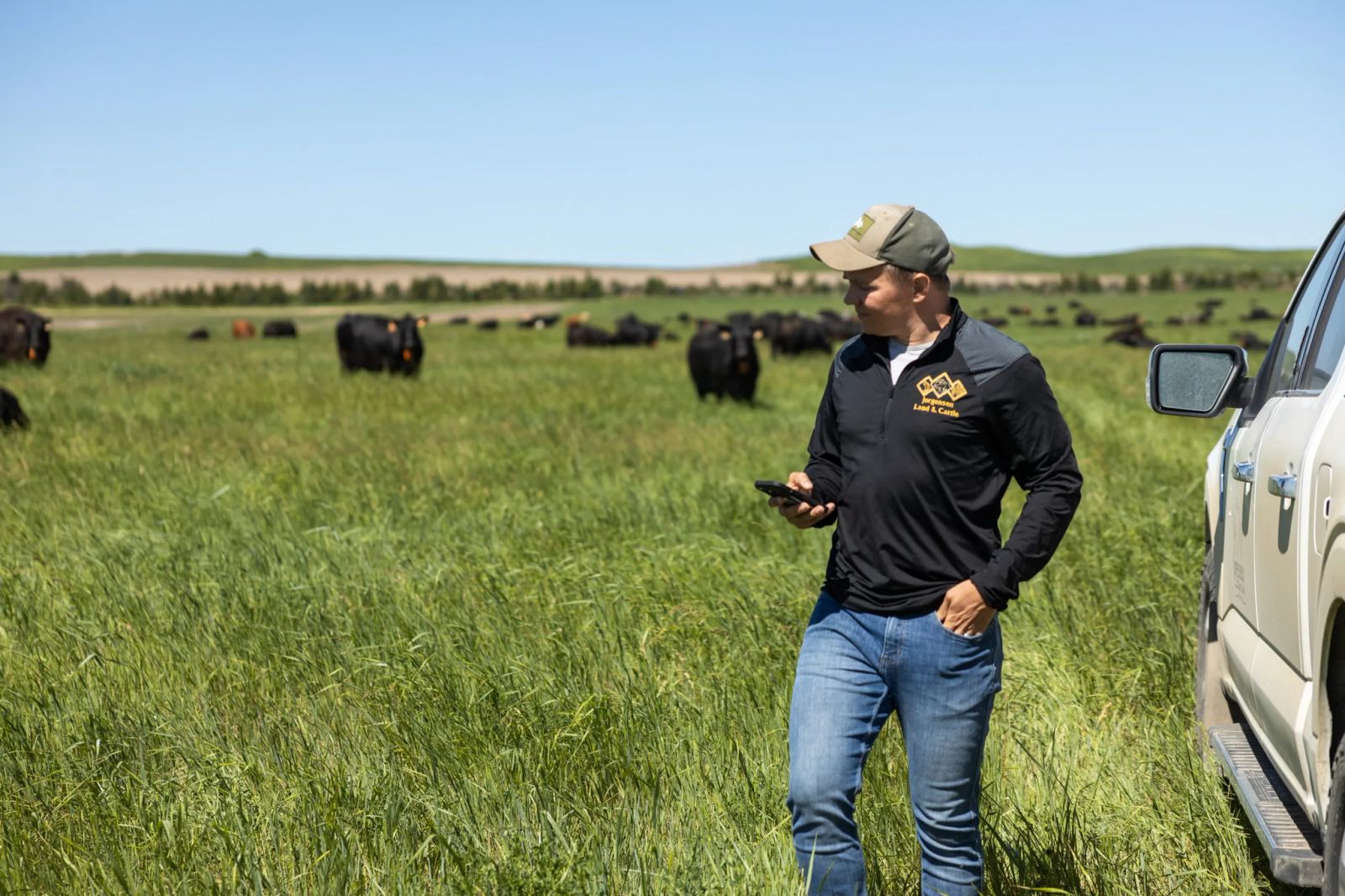
“If you’re not in the area, you can open the app and see where all the cows are,” Mitch says. “You just know everybody’s where they should be.”
That visibility is especially valuable during winter grazing or when cattle are farther from home. Ryan says he checks the app frequently.
“I’ll wake up and check it,” he says. “And it’s like, ‘Oh yeah — they’re all in.’”
Built for the Long Haul
Ryan admits he had questions early on — particularly around fitment and battery life. But those concerns faded quickly once the system was in use.
“Battery life was something I was concerned about,” he says. “And it just hasn’t been a problem.”
The long life neckbands have required minimal maintenance, even during extended grazing periods. And when questions do come up, Ryan says the learning curve has been manageable.
“If it can teach me to do it that easy,” he says, “anybody’s going to be able to learn it.”
Looking Ahead: More Rotation, More Opportunity
This coming season, all the Gravenhof cattle will be using eShepherd, allowing the family to take a more intentional approach to rotation, to improve utilization of crop residue, and to continue building healthier soils and pastures.
“Virtual fencing is going to play a huge role for us,” Ryan says. “Especially as we keep working cover crops and livestock together.”
In the Gravenhofs’ case — like many producers across the country — incentive programs and conservation funding helped offset some of the upfront investment. Those opportunities can make adoption easier, particularly when environmental outcomes are part of the goal. But even without that support, Ryan says the return on investment is proving out.
“Even if I hadn’t gotten the grant,” he adds, “I still think I would have done it.”