 Sid Goutam · Head of Technology Strategy
 Virtual fencing is not a small purchase. Between the neckbands, the base station and the subscription, it is a multi-year investment in how you run your grazing. Our total cost of ownership guide walks through the ten-year number. This guide is about the other side of that ledger: the public programs, cost-share grants and carbon schemes that can help pay for it.
There are two underused levers. The first is government conservation and rural-support funding, which in most countries will cost-share the grazing-management, livestock-water and land-protection work that virtual fencing makes practical. The second is carbon and climate funding, which can reward the better grazing that follows. Neither is a guaranteed cheque, and virtual fencing is rarely named in a program on its own. But the practices it enables are exactly what these programs exist to fund.
Start with the Farm Subsidy Tracker
If you want this narrowed to your own operation, try the Farm Subsidy Tracker, a free AI assistant built on ChatGPT. Tell it where you farm, what you run and what you are trying to do, and it shortlists the programs worth a phone call and points you to the official page. Treat it as a starting point and not as financial advice, and always confirm the details with the program before you apply.
How virtual fencing maps to fundable practices
Almost no program has a line item that says "virtual fencing." Funding attaches to the practice, not the brand of tool. Virtual fencing usually rides on one of these:
- Prescribed or rotational grazing. Moving cattle on a planned rotation to rest pasture and lift ground cover. This is the single most common fit.
- Livestock water distribution. Spreading cattle across a property using water points instead of permanent fences.
- Riparian and waterway protection. Keeping cattle out of creeks, wetlands and erosion-prone gullies without building fence.
- Ground cover, soil health and erosion control. Longer recovery periods and better-managed grazing protect soil and can build carbon.
When you apply, the honest question to ask the program officer is simple: does virtual fencing qualify as a way to deliver this practice? In many cases the answer is yes, but it is a local call, so ask it directly. The rest of this guide is organised by region, so what you see below applies where you farm.
United States
US conservation funding runs mainly through two agencies inside the USDA: the Natural Resources Conservation Service (NRCS) for working-land conservation, and the Farm Service Agency (FSA) for land retirement, disaster help and loans. Start at your local USDA service center, where an NRCS conservation planner can tell you which practices apply on your ground.
- Environmental Quality Incentives Program (EQIP). NRCS cost-share for conservation practices on land in production. Prescribed grazing, livestock water facilities and pipelines, and fencing are all covered practices, and virtual fencing can be a way to deliver a planned grazing system. This is the most common entry point for cattle producers.
- Conservation Stewardship Program (CSP). NRCS payments for maintaining and improving conservation across your whole operation, with enhancements that reward advanced grazing management. Where EQIP funds a project, CSP rewards an ongoing standard of management.
- Conservation Reserve Program (CRP) and Conservation Reserve Enhancement Program (CREP). FSA rental payments for taking environmentally sensitive land out of production or establishing cover and buffers. CREP is the state-partnership version, often targeting riparian buffers where keeping cattle out matters.
- Disaster assistance. The Emergency Assistance for Livestock program (ELAP) helps with livestock losses and extra costs in events like drought. You can check eligibility with this ELAP decision tool (a third-party tool) and find the official side through the FSA programs page. The Disaster Set-Aside Program (DSA) lets borrowers with FSA farm loans defer a payment after a disaster.
- Climate-Smart Agriculture Farm Loan Program. An FSA loan pathway that supports producers adopting climate-smart practices, useful when the funding gap is capital rather than cost-share.
For the full conservation list, browse the FSA conservation programs page. Signup periods vary by state and by program, so confirm the current window on each page.
Canada
Federal funding comes through Agriculture and Agri-Food Canada, often delivered alongside provincial departments under the Sustainable Canadian Agricultural Partnership. The most grazing-relevant programs are the climate and clean-technology funds, backed by the national business-risk-management suite and provincial lending for newer producers.
- On-Farm Climate Action Fund. Cost-share for adopting beneficial management practices, including rotational and managed grazing. This is the closest Canadian fit for the grazing change virtual fencing enables.
- Agricultural Clean Technology Program. Funding to adopt clean technology and improve on-farm energy and efficiency.
- Business-risk-management suite. AgriInvest (a matched savings account), AgriStability (margin-decline support) and AgriInsurance (production insurance). These do not pay for infrastructure directly, but they stabilise the income that pays for it.
- Provincial and beginning-farmer lending. Provinces deliver their own programs and loan support. Examples: the Alberta Beginning Farmer Loan Guarantee and Alberta's agriculture funding, Saskatchewan Young Farmer Loans, Ontario's New Entrant program and Agricorp's Risk Management Program, and Manitoba's lending body, the Manitoba Agricultural Services Corporation. Check your own province's department of agriculture for current cost-share rounds.
New Zealand
New Zealand support is split between the Ministry for Primary Industries (MPI) for sector funding, the Ministry for the Environment for freshwater work, and regional councils for on-the-ground grants. Much of the funding targets erosion-prone hill country and waterway protection, which is where managed grazing earns its keep.
- Sustainable Food and Fibre Futures. MPI's main co-investment fund for projects that solve a problem or test an innovation in the primary sector. It replaced the older Primary Growth Partnership.
- Hill Country Erosion Programme. Funds regional councils to reduce erosion on pastoral hill country through fencing, planting and land retirement. Directly relevant to controlling where cattle graze.
- One Billion Trees Programme. Support for tree planting, including on marginal pastoral land. Its grant windows have opened and closed over time, so check the current status before counting on it.
- Freshwater Improvement Fund. Ministry for the Environment funding for projects that improve freshwater, including stock exclusion and riparian work.
- Regional council grants. Many councils part-fund fencing, riparian planting and biodiversity work. Examples: Environment Canterbury grants, Waikato's Healthy Rivers work, and the Otago Regional Council biodiversity programs. Start with your own council.
- Rural Assistance Payments. Income support through Work and Income for farming families during a declared adverse event, such as drought.
- Māori agribusiness. Te Puni Kōkiri supports Māori landowners developing whenua Māori through its Whenua Māori program, which can apply to pastoral land development.
A note on carbon in New Zealand: as of 29 May 2026, pastoral livestock emissions are not priced in the Emissions Trading Scheme. Forestry is. So the realistic carbon play here is registering eligible tree planting, for example on marginal pastoral land, rather than selling grazing soil carbon.
Australia
Australian support runs through the federal Department of Agriculture, Fisheries and Forestry, the state agriculture departments, and, for carbon, the Clean Energy Regulator. Australia also has the most developed agricultural carbon market of the four countries.
- Future Drought Fund. Funds programs that build drought resilience, including farm business planning and regional resilience work. Infrastructure that lets you manage grazing and water in dry years fits the theme.
- Farm Household Allowance. Income support for farming families in financial hardship, with planning support attached.
- Landcare. The National Landcare Program funds on-ground natural-resource-management work, often delivered through regional bodies and local Landcare groups. Fencing, revegetation and erosion control are common grants.
- State agriculture departments. Each state runs its own grants and programs. Start with NSW Department of Primary Industries, Queensland Department of Agriculture and Fisheries, Agriculture Victoria, the WA Department of Primary Industries and Regional Development, Primary Industries and Regions SA, and the Tasmanian Institute of Agriculture.
- Carbon: the Australian standout. Through the Emissions Reduction Fund, the Clean Energy Regulator runs approved methods, including soil carbon and beef cattle herd management, under which landholders can earn and sell Australian Carbon Credit Units. The Department of Climate Change, Energy, the Environment and Water is also standing up the Nature Repair Market for biodiversity certificates. For cattle-specific carbon tools and the industry roadmap, Meat and Livestock Australia is a useful resource.
Carbon credits, honestly
Carbon is the most exciting and the most over-promised funding lever, so be clear-eyed about it. Better grazing can reduce emissions intensity and build soil carbon, and in some markets that turns into payments. How real that is depends on where you farm.
- The US is cost-share plus private markets. Climate-smart practices are funded through EQIP and CSP enhancements and pilot programs, and a patchwork of private voluntary carbon markets exists alongside them.
- Canada pays for the practice. The On-Farm Climate Action Fund pays you to adopt the practice now, and a federal greenhouse-gas offset system is being built out with protocols over time.
- Australia is the strongest. Real credits (Australian Carbon Credit Units) under government-approved soil-carbon and beef-herd methods, with a market to sell them.
- New Zealand prices forestry, not grazing livestock. The carbon opportunity is tree registration in the Emissions Trading Scheme, not soil carbon under cattle.
Three cautions apply everywhere. Credits usually require additionality (you are paid for change beyond business as usual), real measurement and verification (which costs money and takes time), and long commitment periods (often many years, sometimes with permanence obligations). Read the contract, understand who owns the credits, and get independent advice before you sign anything multi-year.
A practical playbook
The fastest way through all of this is to work the problem in order.
- Know your numbers. Head count, area, the system you are planning (network type and base stations), and your goal: rotational grazing, riparian protection, drought resilience, soil carbon, or a mix.
- Map your project to a fundable practice. Use the list above. Virtual fencing is rarely named, so frame it as the way you will deliver prescribed grazing, livestock water distribution, or land protection.
- Ask the eligibility question directly. Call the program and ask whether virtual fencing qualifies under that practice. It is a local interpretation, and the only way to know is to ask.
- Talk to the right local office. The right door depends on where you farm.
In the United States that is your USDA service center, and in Canada your provincial agriculture office. In New Zealand it is your regional council and MPI. In Australia it is your state department of agriculture, and the Rural Financial Counselling Service can help you navigate options. - Diarise the deadline. Rounds open and close. Note the date from the official page and set a reminder, rather than trusting a date you saw once.
- Stack carefully. You usually cannot fund the same practice twice from two programs. Sequence them, or pair a cost-share grant with a separate carbon agreement, and check the rules on combining funding.
If you would rather start with a shortlist, the Farm Subsidy Tracker walks you through steps 1 to 4 in a few questions and hands you the official links to follow up.
Where eShepherd fits
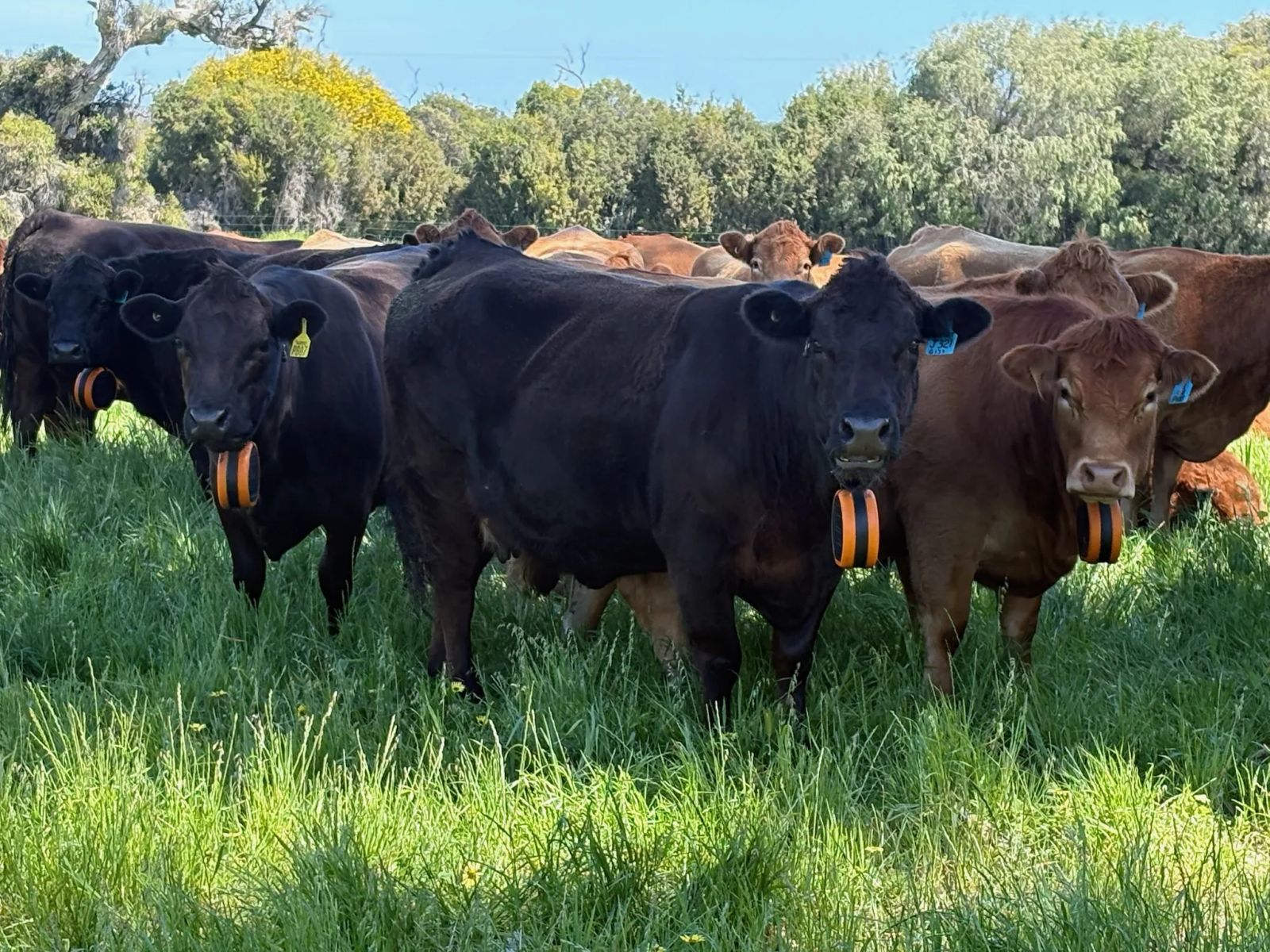
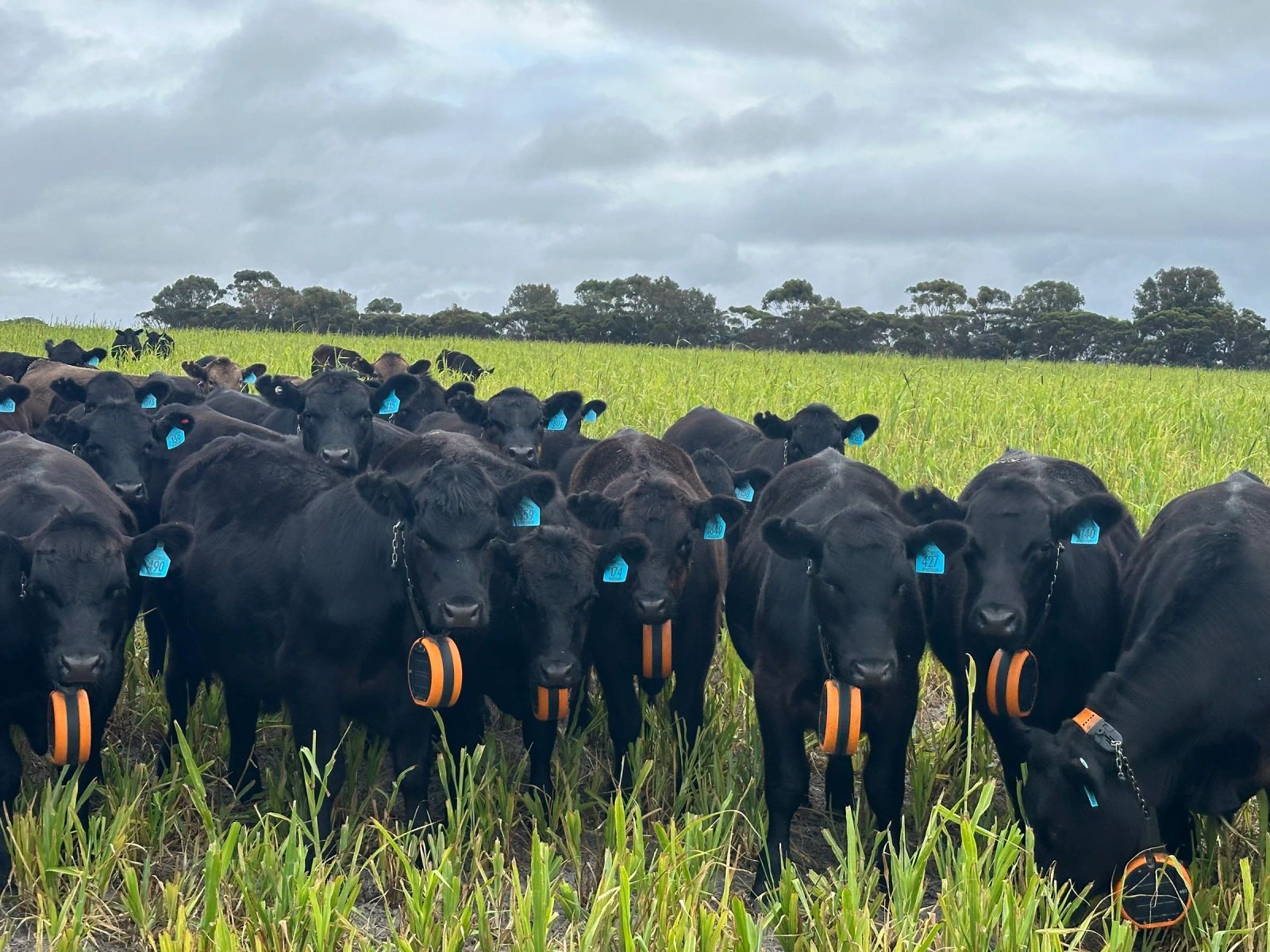
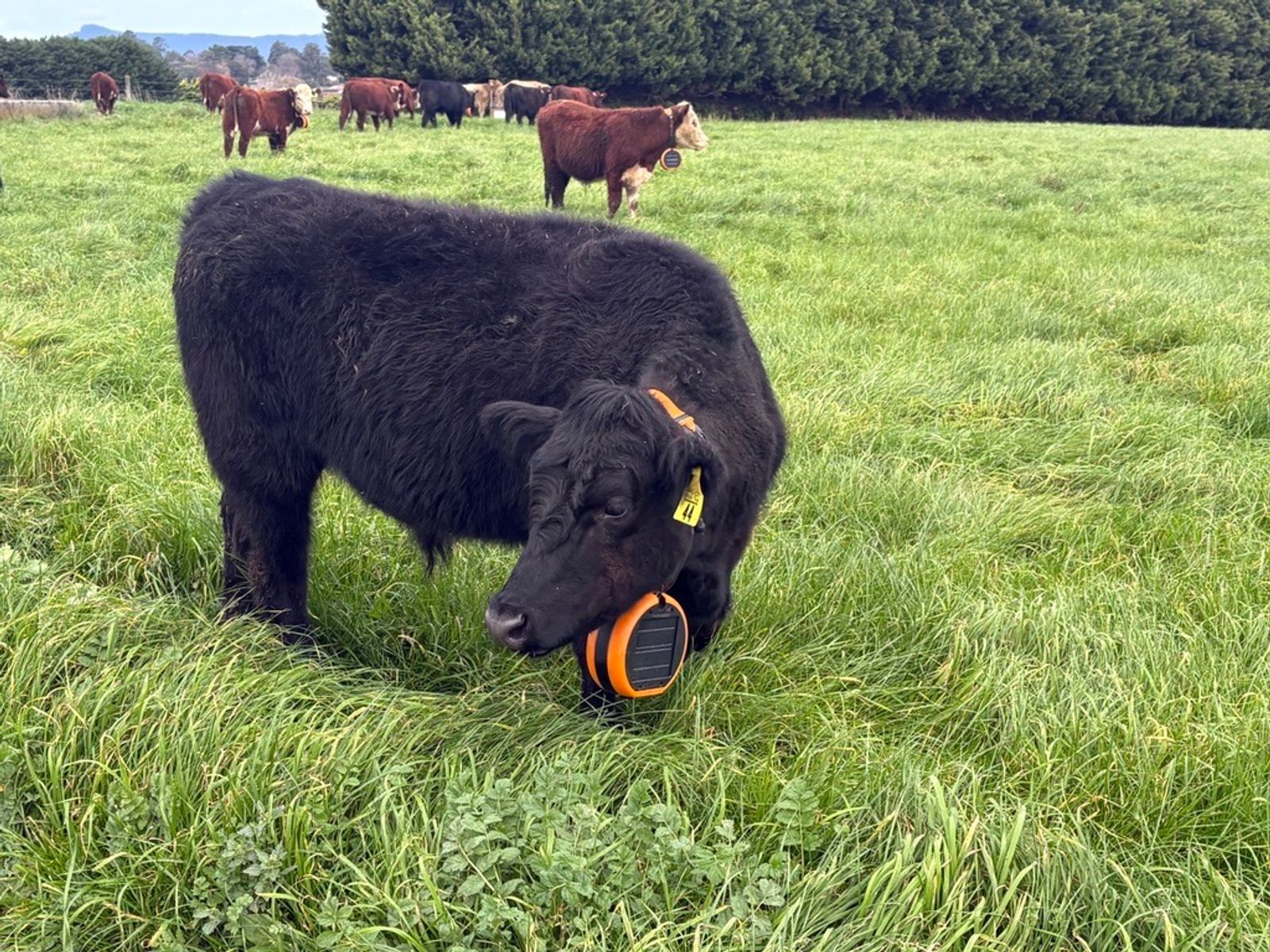
eShepherd is the grazing-management tool underneath most of these practices. The neckband and base station let you set, hold and move grazing breaks without building permanent fence, which is what makes prescribed rotation, riparian exclusion and proper recovery periods practical on real country. That is the work these programs fund.
A sensible order to bring it together:
- Model a cost-share against your own figures in the ROI calculator. The 50 percent and 75 percent quick-picks show how a grant moves your payback.
- See the ten-year picture in the total cost of ownership guide.
- Weigh up the options in how eShepherd compares to other virtual fencing, and read the welfare and training science behind virtual fencing.
- When you are ready for real numbers, get a quote.
A note on accuracy
This guide uses publicly available program information and was current as of 29 May 2026. Programs, eligibility rules and application dates change, and some windows open and close through the year. It is general guidance, not legal, tax or financial advice. Always confirm the details with the program administrator on the official page before you apply or sign anything.