“"We've had eShepherd for not even two years yet, and the gains are already there. I wouldn't be without it now"”
Russell & Mavis Proffit · King Country, NZ
“Virtual fencing has been one of the biggest changes in my farming career.”
Virtual fencing is changing more than where Russell’s stock graze. It’s changing how he thinks about managing a large, diverse hill country operation.
A new approach to an old job
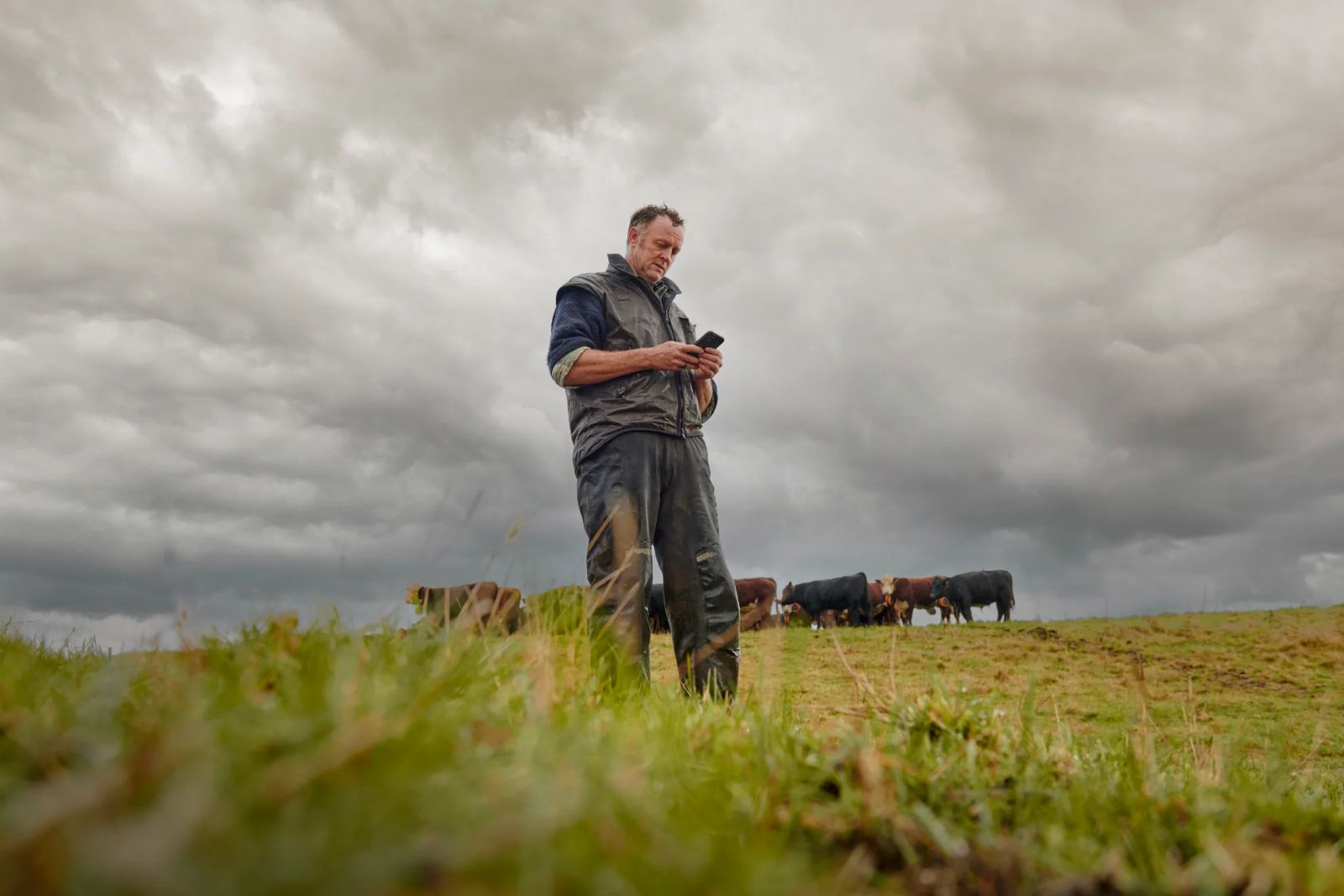
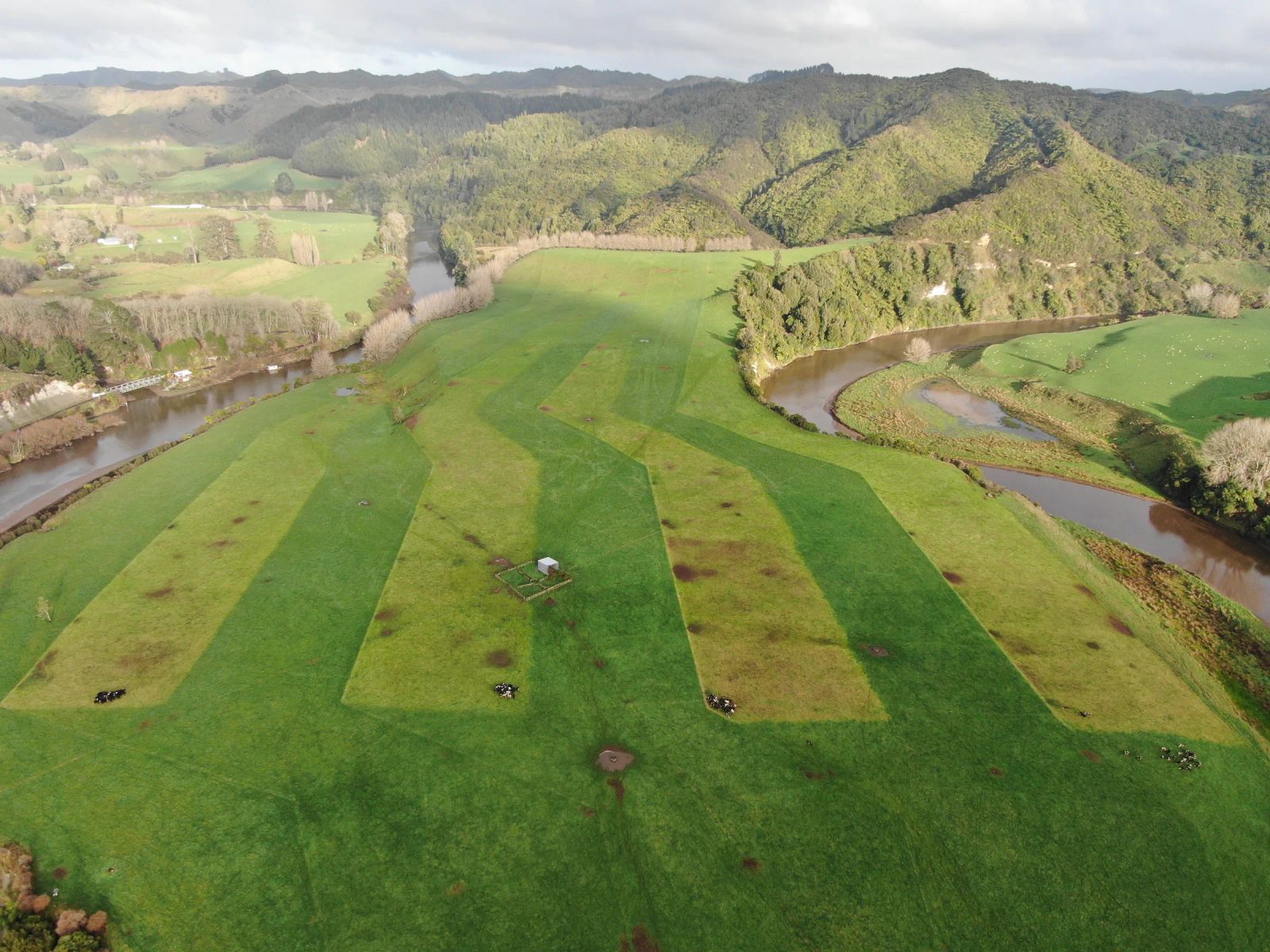
Russell spent a good chunk of his childhood moving break fences in some ‘really dodgy steep parts’ of his parents' farm. Today, moving fences looks a little different. Every night at 8 pm, he sits down and draws out his break lines with a cuppa – it’s his evening routine.
Russell and his wife, Mavis, run a 1,000-hectare mixed farming operation in the King Country, with 1,100 cattle and 4,500 sheep. The farm has a long history of stud breeding, with Raupuha Shorthorn stud established by his parents 60 years ago and the Perendale stud running for around 50 years. Today, the operation also includes Romdale, Suffolk and Suf-Tex sheep. The property is well subdivided and has plenty of paddocks, but with a variety of different classes of stock, Russell was looking for ways to create even more flexibility.
“We’ve got a lot of subdivision already, but we were doing a lot more in the sense of temporary single wires. We’d break feed for eight or nine months of the year, but since we’ve had eShepherd, we break feed 365 days a year.”
He says it makes integrating the sheep and cattle easier too, being able to leave sheep in the paddock with the cattle and choosing which parts of the paddock he grazes the cattle in.
“The sheep don’t wreck all the temporary fences!”
Getting more from every paddock
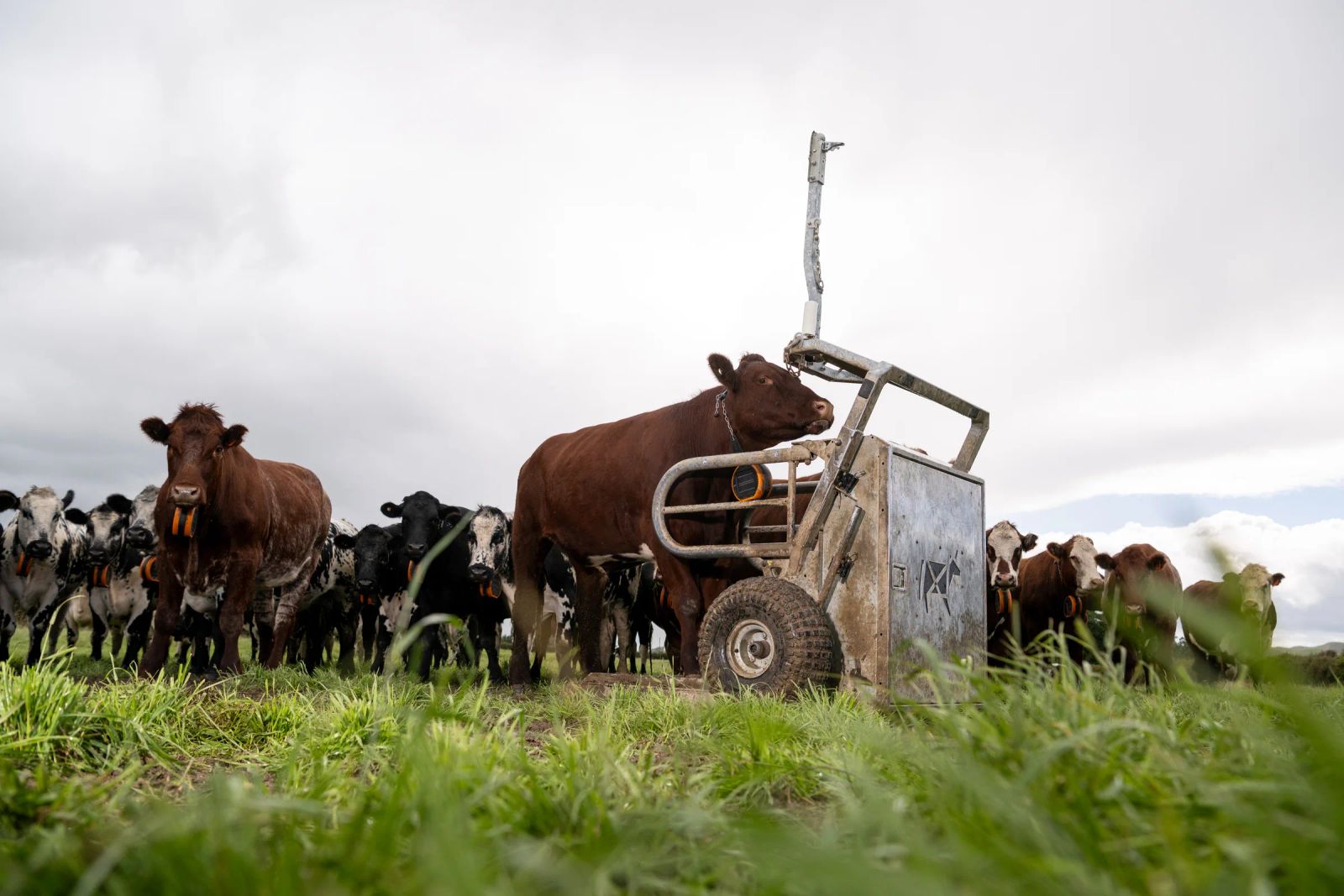
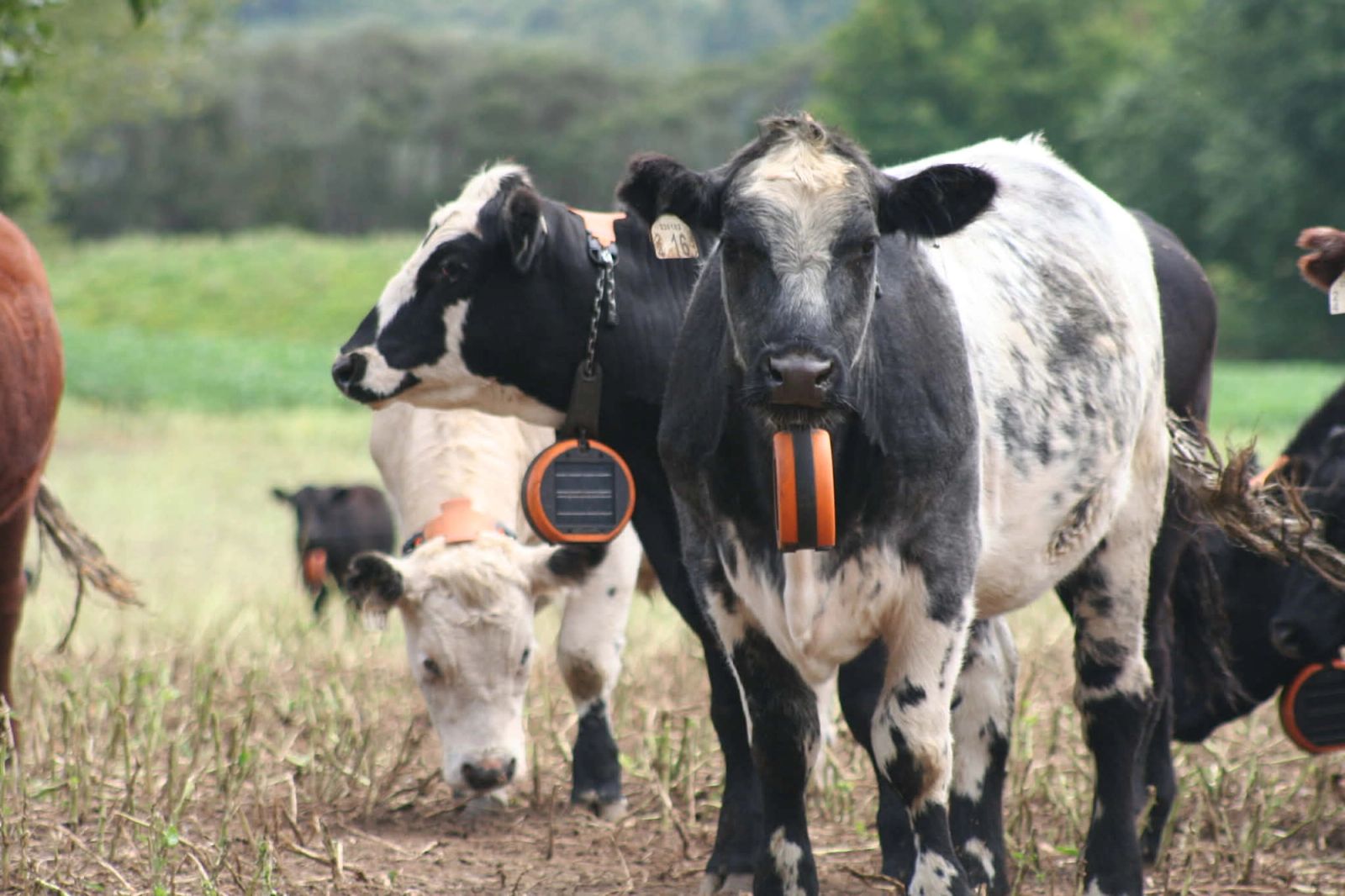
Russell initially started with 150 neckbands. That number has since grown to 450 as he’s found more ways to use the technology across the farm.
The biggest impact has been in creating smaller, more frequent breaks. Previously, large paddocks might be split into halves or thirds, with cattle given enough feed to last several days. Now, they get a fresh break every day.
“Once they had their break, we wouldn’t see them again for a few days, so if they broke out – which they often did – they’d stuff the rest of the paddock.”
Calves now graze in front of the cows and are 15 to 20kg better off for it.
Virtual fencing has also opened the door to summer cropping. Previously, because of time, they weren’t able to shift the break twice a day for 75 days; the option was ruled out.
With late summer and early autumn being challenging months on the farm, a crop for finishing cattle has now become a feasible option on some of the rolling country. They’re now looking at sowing the crop with a drone in future.
“Virtual fencing has really allowed us to try and do new things when it comes to feed and pasture management.”
Currently, the neckbands are used on the stock on the hills, which has allowed him to intensify their management of the flats.
“We’re still moving tape and standards about, but not nearly as many as before, which is a time saving, and we’re not having to do it on a hillside either. It saves time, and I’d certainly say eShepherd has given us some gains across the system – liveweight gain, pasture production, soil fertility.”
Working with the conditions
With El Niño just around the corner, Russell, like many farmers, is planning ahead. With the help of virtual fencing, he’s got more feed than normal for this time of year, even with more cattle on than normal.
“I 100% put that down to the collars and better pasture management. We’ll continue to build up a wedge, but I’d say that eShepherd will be immensely useful for the dry, windy summer ahead.”
He’s also been able to push cattle into areas that might otherwise have been overlooked, grazing parts of the farm they wouldn’t normally go when feed is short elsewhere, and importantly, keeping them out of boggy areas.
“With the physical break fences, you’d go down there to move the fence, and they’d all come thundering down, and you’d just watch all this grass being chewed up. With the neckbands, oddly, they just seem to ‘know’ when they’ve got a fresh break, and they just wander over calmly to the fresh break.”
Looking ahead
Russell knew that over time, eShepherd would continue to improve, so he wanted to adopt it early to get used to it and be ahead of the curve for whatever new improvements come next.
“From the stud breeding side, it’s exciting to have the possibility of getting all the important data that we just don’t collect enough of. Knowing when they’re calving, when they’re cycling, how they’re moving around the paddock. As a stud breeder, that's all important information.”
For someone who has farmed through major changes, including EID and DNA testing, Russell sees virtual fencing as another significant step forward – and perhaps the biggest change yet.
“We’ve had eShepherd for not even two years yet, and the gains are already there. I wouldn’t be without it now.”