 Kat Sutherland · Head of Product Strategy, eShepherd
 A fire goes through and it doesn't just take the feed. It takes the fences. Sometimes miles of them, along with the gates, the water lines, and the infrastructure that took a generation to build. The grass will come back. The fence won't, not without a long wait on a contractor list that every neighbour in the district is already on.
Virtual fencing changes the order of operations. With eShepherd you can put boundaries back up the day the fire is out, before a single post goes back in the ground. Draw the lines that match what the country looks like now, lock the cattle off the ground that needs to recover, and let the rebuild happen on its own timeline instead of an emergency one.
Boundaries back up the day the fire is out
Rebuilding physical fence after a fire is slow, expensive, and often dangerous. Posts have to go into ground that may still be hot. Wire has to be rolled across country that has lost its cover. And the contractors who do that work are booked solid, because every operation around you is in the same position at the same time.
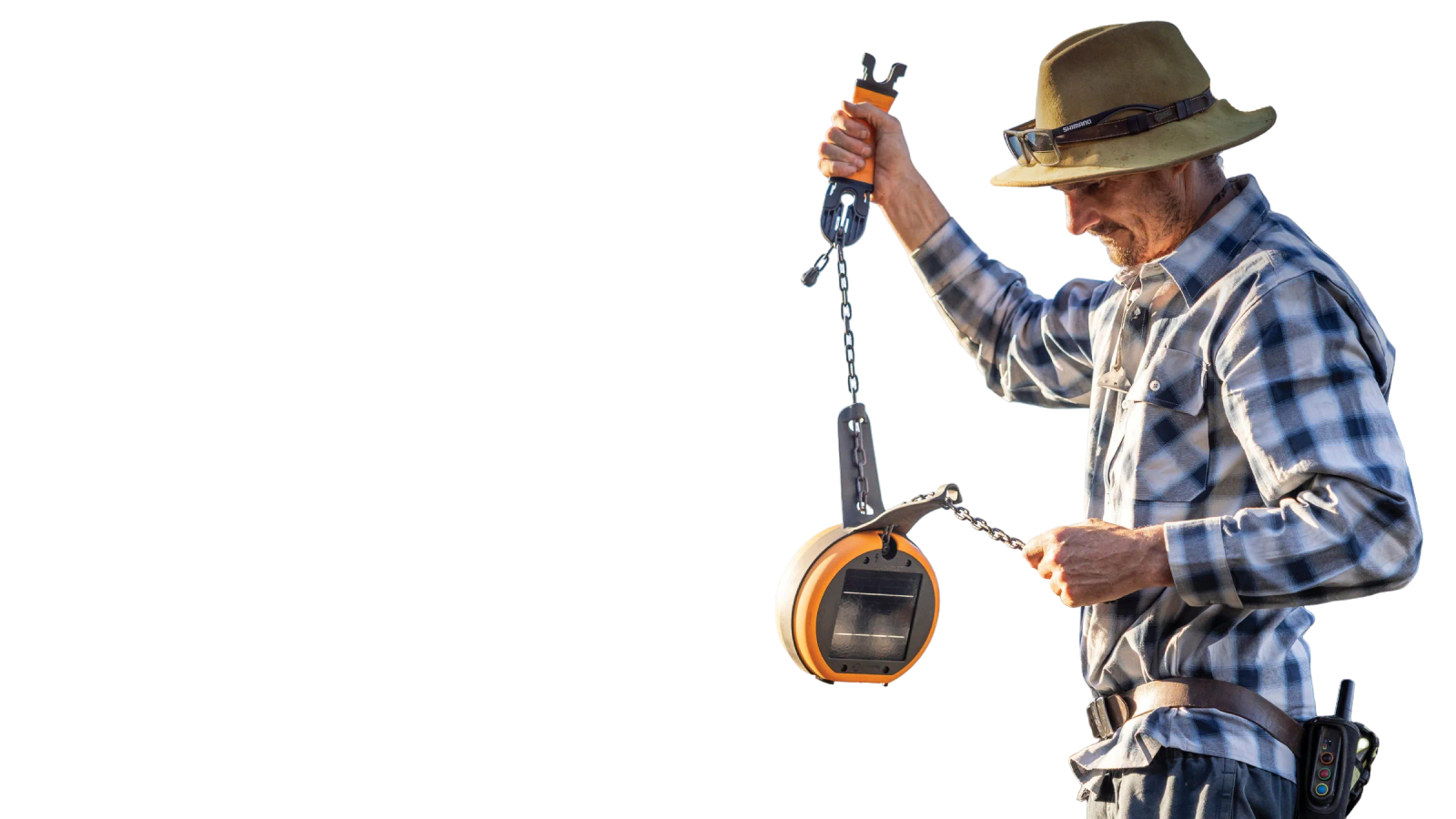
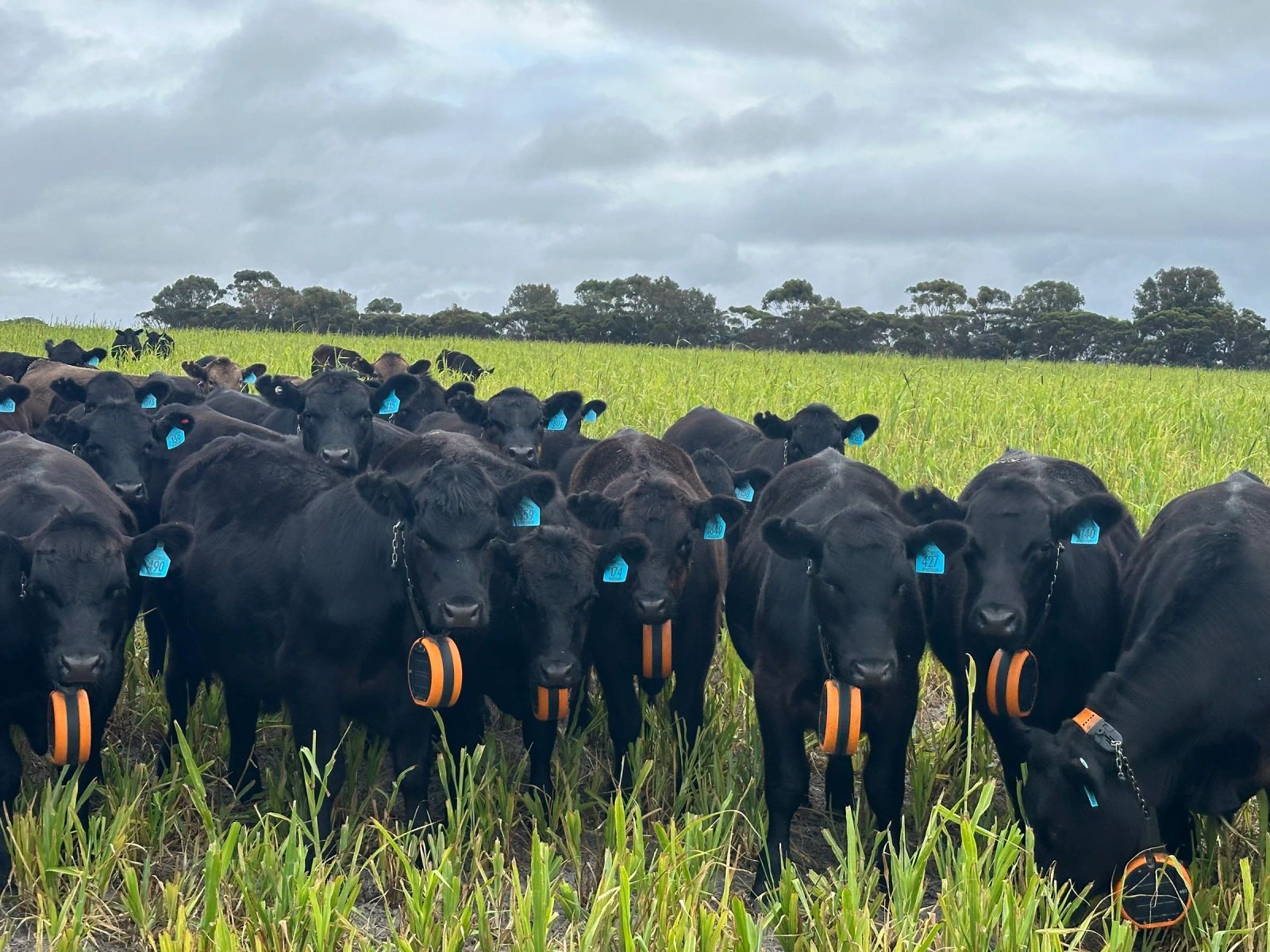
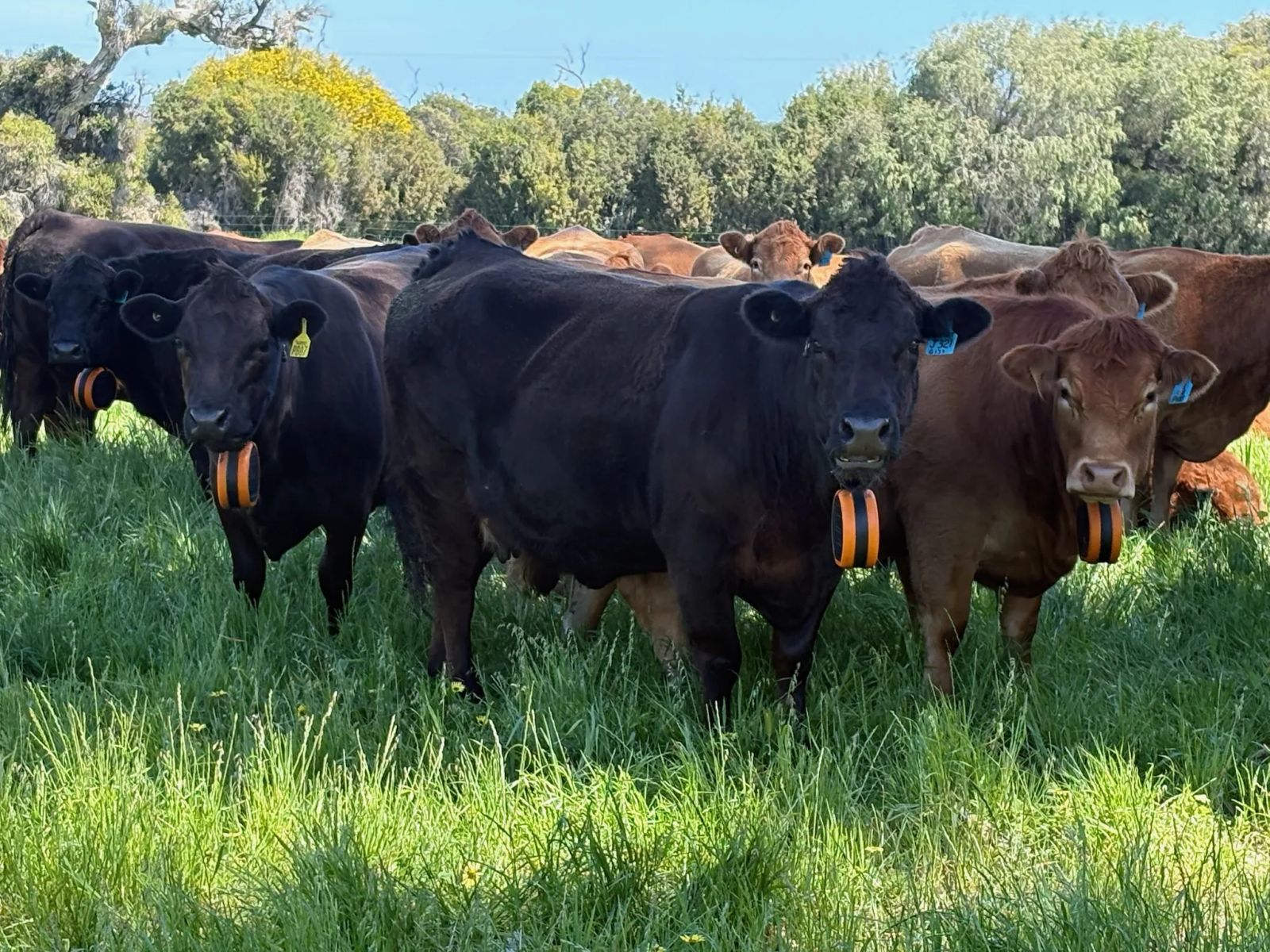
eShepherd needs none of that. Cattle wear solar-powered, GPS-enabled neckbands. You draw your boundaries on a satellite map from your phone, and the lines are pushed out to the neckbands. As an animal approaches a boundary it hears an audio cue. If it keeps going, it gets a brief, low-energy pulse, milder than a standard electric fence. The boundary is held on the neckband itself, so it keeps holding even where there is no coverage. No posts, no wire, no waiting. The fence moves at the speed of a decision.
Recovery at the rate the country sets
Fencing cattle out of burned country is not only about keeping them safe. It is about letting the ground recover. Bare, fire-exposed soil erodes easily and invites weeds, and grazing it too early sets the recovery back by a season or more.
With virtual fencing you lock off the fragile country the moment the embers cool, then move the boundary as the grass comes back. Lift the line one paddock at a time, in step with what the ground can actually carry. The country that was hardest hit gets the longest rest. The country that came through stronger goes back into rotation first. Keeping stock off recovering ground protects the topsoil, gives native species room to re-establish, and holds water in the landscape instead of letting it run off bare dirt. Recovery happens at the rate the soil sets, not the rate a fixed fence allows.
Lower cost when cash is tightest
A fire is a financial hit, and the rebuild lands exactly when money is shortest. Fencing is one of the biggest line items in that rebuild. Virtual fencing takes the internal-fencing cost out of it: there is no contractor bill to reinstate internal subdivisions, and no second bill when you need to change them again next month.
With eShepherd you buy the neckbands once and own them. They are not tied to a single paddock layout, so you can redeploy them across the operation as the country recovers and your needs shift.
Ready for the next one
Fires are not getting rarer. An operation already running virtual fencing comes into the next event with an advantage: the moment it is safe, the boundaries go straight back up, wherever they need to be. The fence is not a fixed structure waiting to burn again. It is a layout you can redraw in minutes, as many times as the season demands.
That is the shift. Recovery stops being a matter of waiting for everything to be rebuilt exactly as it was, and becomes a matter of managing the country as it actually is, week to week, until it is back.
Where to start
Picture the recovery you would want to run, then put the tools against it.
- See how operations use eShepherd through fire, flood, and drought in Disaster recovery.
- Understand how the system works end to end in the complete guide to virtual fencing for cattle.
- Ready to talk about your country? Get a quote.