 Kat Sutherland · Head of Product Strategy, eShepherd
 When you're weighing up a new piece of farm technology, the first question, often from your accountant or your bank, is usually the same: what's the return on investment?
It's a fair question. With virtual fencing, it's also the wrong one to lead with.
A single ROI number is hard to pin down here, because the benefits are more dynamic, more interconnected, and more specific to your operation than a standard payback calculation can hold. That can look like a reason to wait. It's actually a sign of how much the technology changes once it's on the ground.
The return is real, but not always where you expect it
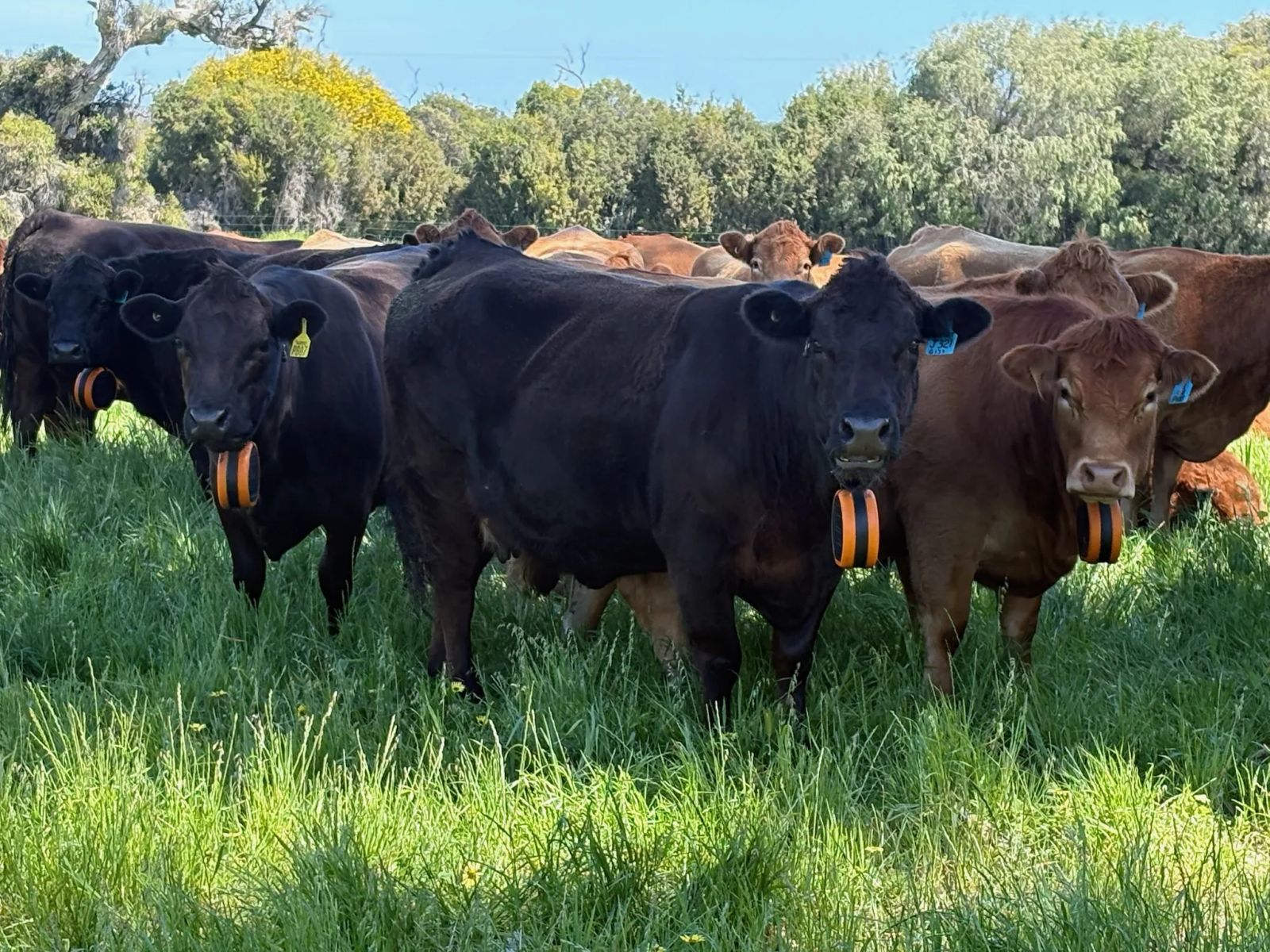
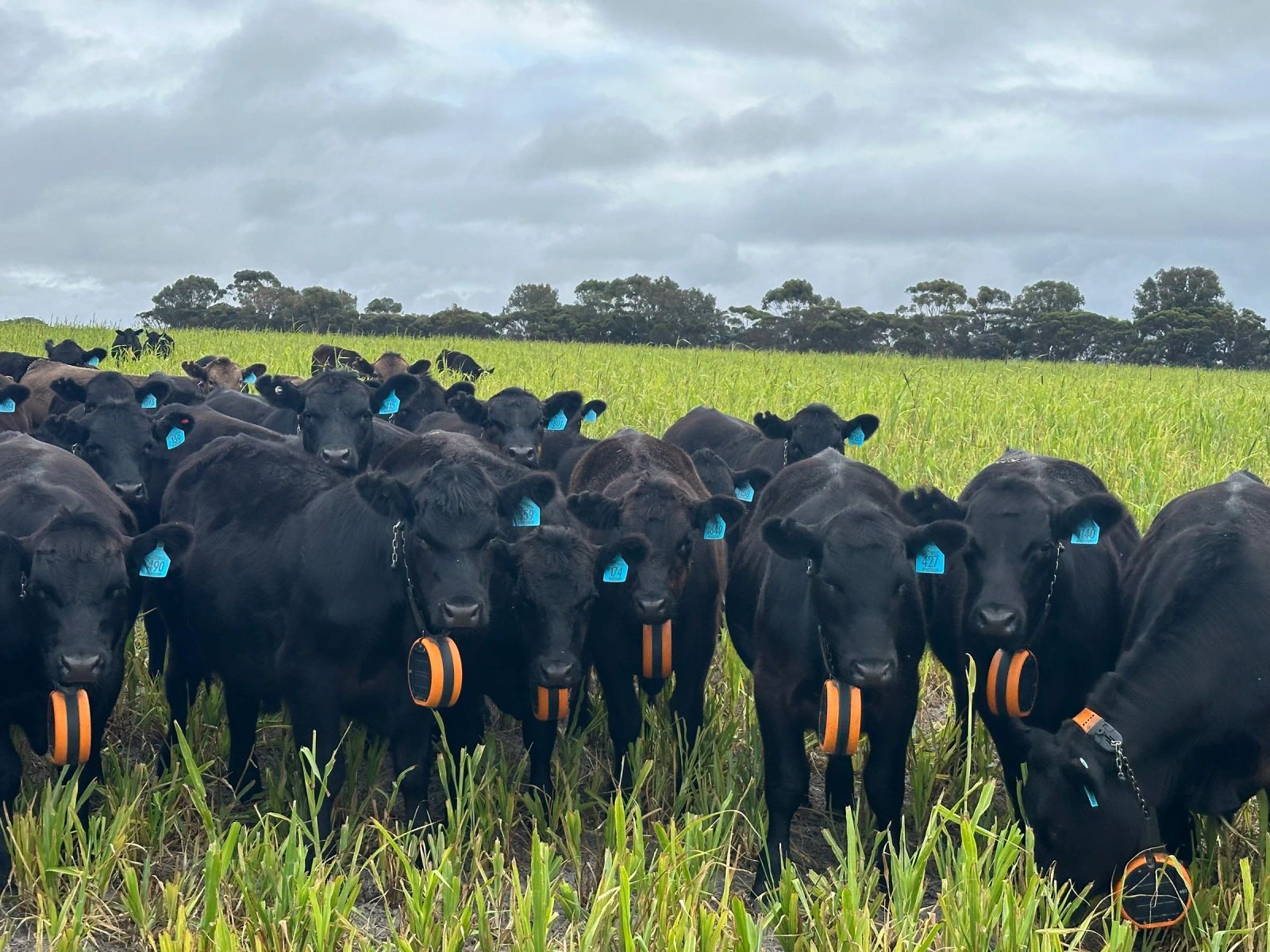
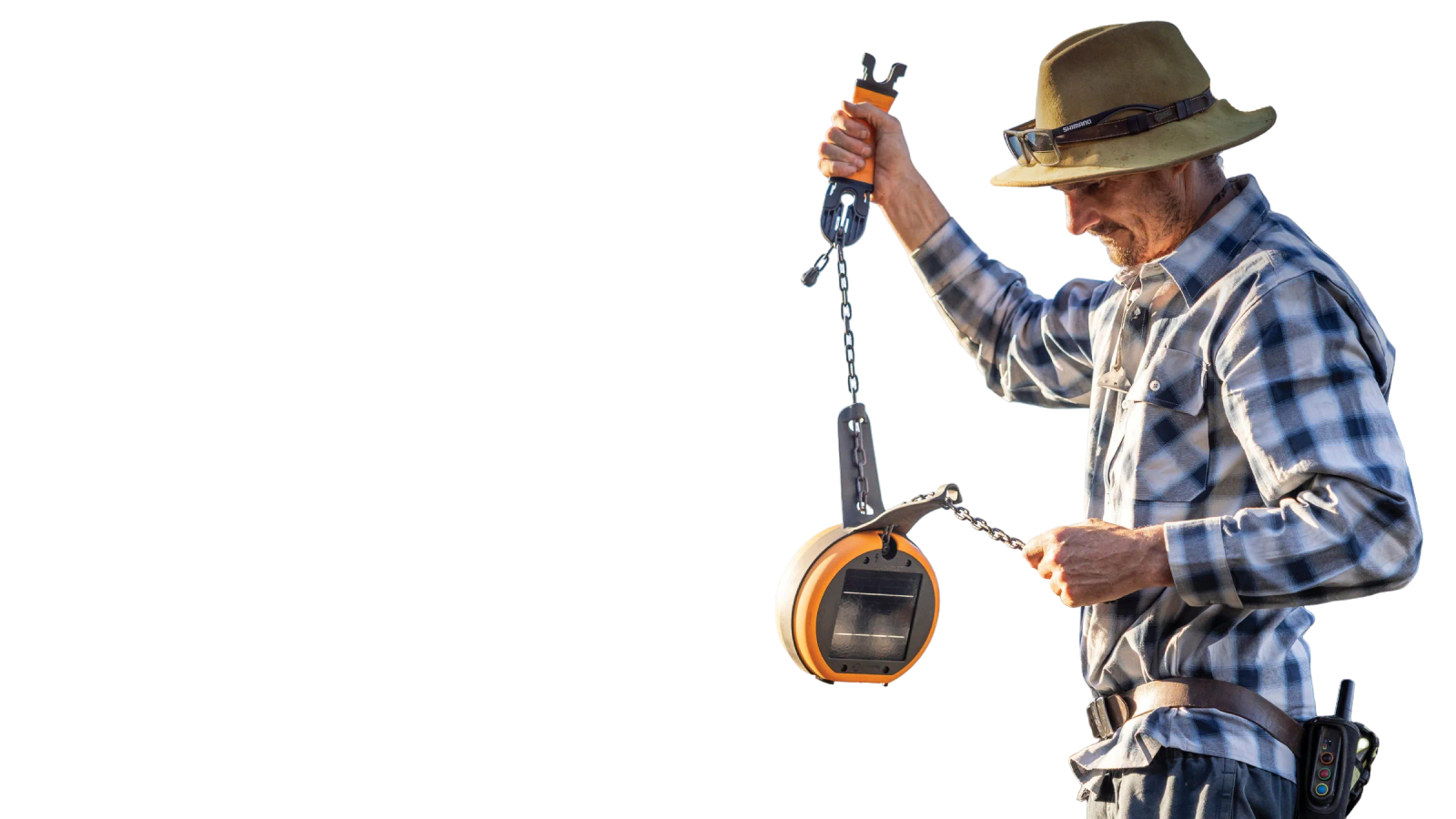
Virtual fencing isn't a high-tech swap for tape and standards. It changes how you manage stock: move cattle from your phone, split a paddock without driving a post, trial rotational or regenerative grazing, and respond to what's happening in the paddock the same day rather than next week.
For a lot of eShepherd farmers, the real value only became obvious after they started. The savings on labour and materials were there, but the returns they talk about most are the ones they didn't forecast: better pasture utilisation, calmer cattle that are easier to handle, fewer injuries, and more headspace at the end of the day.
That's the part a traditional ROI line misses. This isn't only about dollars saved. It's about farming with more control.
A different lens on value
Picture a system that saves you hours of manual work, shows you where your cattle are at any moment, gives you finer control over how pasture gets grazed, and lets you manage all of it from your phone. Virtual fencing does that.
But how do you price an extra hour with your family, or the difference between feeling stretched and feeling on top of the season? How do you put a figure on a lighter environmental footprint, or on a mob that's calmer, easier to shift, and putting on weight more evenly?
Farmers tell us the benefits that matter most are often the ones a spreadsheet can't hold:
- more time, and more headspace, at the end of the day
- cattle that are calmer, easier to handle, and gaining weight more evenly
- better use of the pasture you already have
- a lighter environmental footprint
So we'd suggest a different starting point. Begin with your biggest frustration, whether that's time, labour, land use, or stock performance, and treat virtual fencing as a tool to chip away at it. Start small, test and learn, and grow from there. The returns tend to follow, and they tend to surprise you.
Technology that grows with you
Virtual fencing increasingly sits alongside other tools: automatic weighing, satellite and on-ground pasture monitoring, and farm data that finally lives in one place. eShepherd's own Pasture and Vision Weigh add-ons are built on that idea. These tools are worth more together than apart, because each one fills in part of the picture.
Here too, the full value shows up over time. Live weight-gain data tells you when to move stock. Pasture data surfaces potential in country you'd written off. And the tools coming next are aimed at doing the interpretation for you, so you get a clear next step instead of another dashboard to read.
Changing the question
The fact that you can't fully cost virtual fencing in advance isn't a flaw in the technology. It reflects something true about farming: every operation is different, and the parts interact in ways a forecast can't capture.
So instead of trying to account for every dollar before you decide, it's worth seeing virtual fencing for what it is: a chance to find new efficiencies, try ideas that fixed fences ruled out, and win back time and headspace for the work that matters most.
And across Australia, New Zealand and the United States, the pattern is consistent. Once farmers start using it, the value speaks for itself.
So let's move the conversation on, from "what's the ROI?" to "what's possible?"
Where to start
Pick the question you actually want answered:
- Put real numbers against your own operation with the ROI calculator.
- See how other cattle farmers are using it in farmer stories.
- Ready to talk specifics for your place? Get a quote.